
Katja Adam
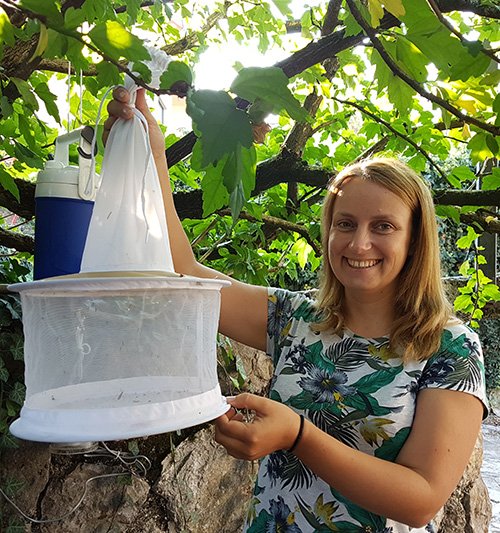
Katja Adam, PhD
Lecture
Canine leishmaniasis in the Balkans. Historical epidemiological patterns, sand fly vectors, and new insights from Slovenia.
Katja Adam studied Biology at the University of Ljubljana, where she graduated in 2009. Her undergraduate thesis investigated the distribution and seasonal activity of the Asian tiger mosquito, Aedes albopictus, in coastal Slovenia. In 2010, she completed additional courses required for the qualification of a Biology teacher. In 2018, defended her PhD thesis entitled Dispersal capacity of the Asian tiger mosquito, Aedes albopictus (Diptera: Culicidae), an invasive species in Slovenia at the University of Maribor.
She began her professional career at the University of Primorska in 2010. Today, Katja Adam is an Assistant Professor at the University of Primorska, Faculty of Mathematics, Natural Sciences and Information Technologies (UP FAMNIT), where she is involved in teaching and research in the fields of biodiversity, conservation biology and medical entomology. Her research focuses primarily on mosquitoes, sandflies and ticks with particular emphasis on vector ecology, invasive mosquito species, surveillance of vectors and vector-borne pathogens, and the effects of environmental and climatic changes on vector distribution and disease transmission.
She has extensive experience in field-based research and nationwide vector surveillance, particularly of invasive mosquito species Aedes albopictus, Aedes japonicus and Aedes koreicus. Her research has also expanded to sand flies, ticks and vector-borne pathogens. Her work combines field ecology, species identification, molecular approaches, surveillance and applied research relevant to public health and biodiversity conservation.
She has participated in numerous national and international research and capacity-building projects, including Horizon Europe, Horizon 2020, COST, INTERREG and Erasmus+ projects. She is also actively involved in communicating scientific findings to the public and has contributed to television, radio, newspaper and online interviews, as well as documentary productions concerning mosquitoes and vector-borne diseases. In 2024, she received the Promoter of Science Award, awarded by the Slovenian Science Foundation for her contribution to the promotion and communication of science.
Katja Adam has contributed to international expert meetings and professional initiatives concerning invasive mosquitoes and vector-borne diseases. Her international experience includes participation in activities and expert meetings organised by the European Centre for Disease Prevention and Control (ECDC), the World Health Organization (WHO) and European research networks.
Her current research activities include the national project Monitoring of vector-borne pathogens in vectors in Slovenia, the Horizon Europe project CLIMOS – Climate Monitoring and Decision Support Framework for Sand Fly-borne Diseases Detection and Mitigation, and the INTERREG project Kras4us – Opportunities for Preserving the Biodiversity and Identity of the Karst.
In addition to her research activities, Katja Adam has extensive teaching experience at undergraduate, master’s and doctoral levels. She teaches subjects related to conservation biology, biodiversity, bioinformatics and nature conservation and has supervised and mentored students and she is the coordinator of the of the Nature Conservation master’s programme.
doc. dr. Katja Adam
Oddelek za biodiverziteto, UP FAMNIT
Koordinatorica magistrskega študijskega programa Varstvo narave
assist. prof. Katja Adam
Department of Biodiversity, UP FAMNIT
Coordinator of the Nature Conservation master’s programme

Ecuphar. Sponsor of LeishVet UP! 2026


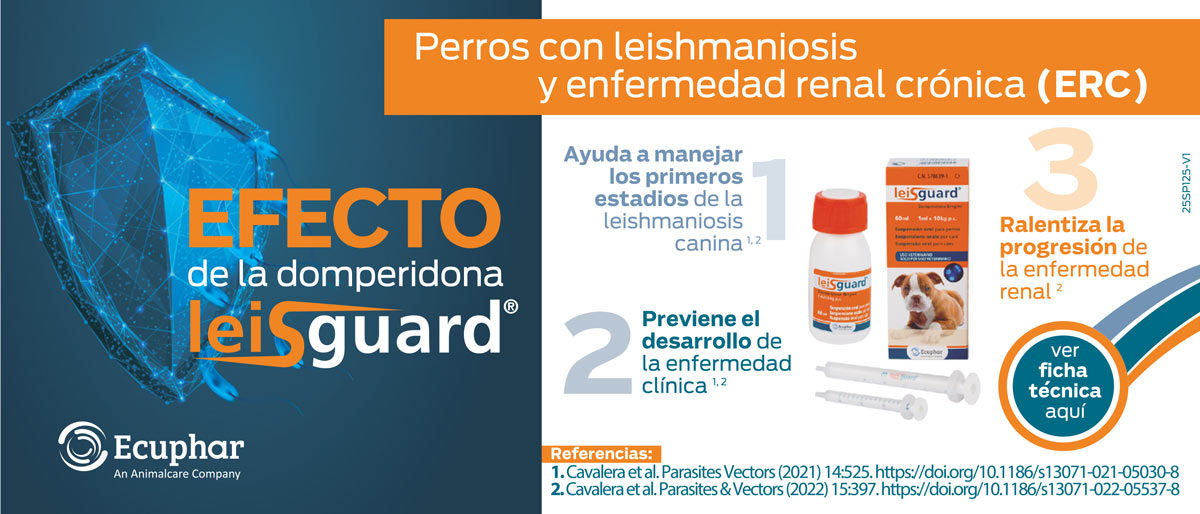
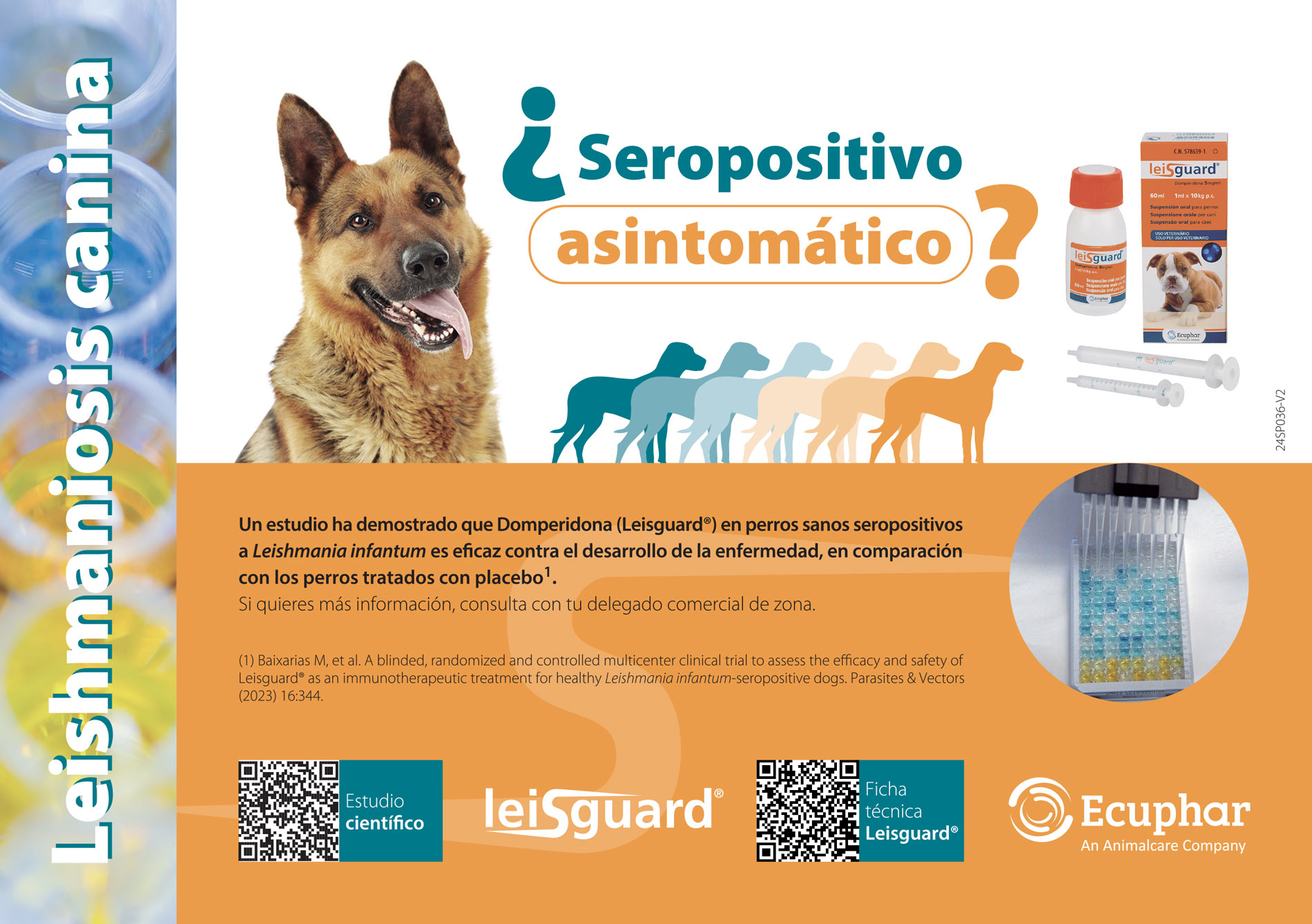
Prevention and treatment of canine leishmaniosis
The key: stimulating specific immunity
- Protects your dog from the 2nd day of treatment
- Reduces the possibility of infection 7,2
- Can be given to all dogs of any age
- It can be administered to all dogs, including infected and non-infected individuals
- Compatible with other treatments
- Excellent tolerance
- Allows serological monitoring
- Very palatable
- Can be easily administered within the food
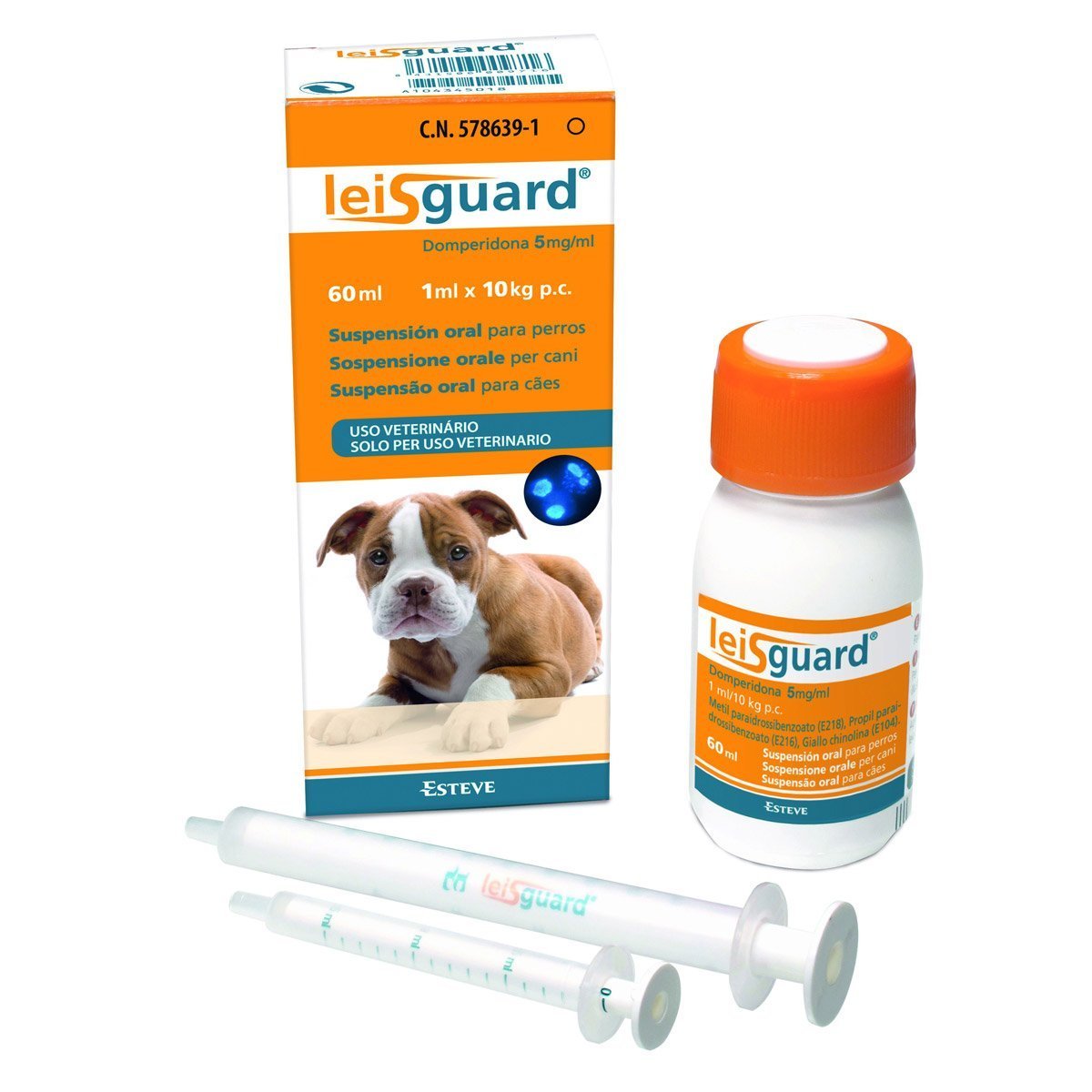



A multimodal preventive programme, in 3 simple steps

Publications:
- Parasites & Vectors - Baxarias et al. - 2023
- Parasites & Vectors - Cavalera et al. - 2022
- Parasites & Vectors - Cavalera et al. - 2021
- Esteve Veterinaria - Sabaté et al. - 2014
- Esteve Veterinaria - Gómez-Ochoa et al. - 2012
- Esteve Veterinaria - Sabaté et al. - 2012
- Esteve Veterinaria - Llinás et al. - 2011
- ESVPC-ECVCP - Solano-Gallego et al. - 2013
- Worldleish - Sabaté et al. - 2013
- SCIVAC - Sabaté et al. - 2013
- SEVC - Llinás et al. - 2011

Contact Us
Ecuphar
Edificio Slow
C/ Cerdanya 10-12, pl 6
08173 Sant Cugat del Vallès, Barcelona, Spain
Ecuphar
Proud Sponsor of LeishVet UP! 2026
CEVA. Sponsor of LeishVet UP 2026

About Ceva Animal Health
Ceva Animal Health (Ceva) is the 5th global animal health company, led by experienced veterinarians, whose mission is to provide innovative health solutions for all animals to ensure the highest level of care and well-being. Our portfolio includes preventive medicine such as vaccines and animal welfare products, pharmaceutical solutions for farm and companion animals, as well as equipment and services to provide the best experience for our customers.
With more than 7,000 employees located in 47 countries, Ceva strives daily to bring to life its vision as a One Health company: “Together, beyond animal health”.


Ceva is committed in the fight against parasites and zoonosis, such as Leishmaniosis, thanks to Advanced Solutions and Evidence Based Knowledge, under the “STRONGER TOGETHER Against Parasitic Diseases” initiatives.




Together, beyond animal health
Contact Us
Ceva
For all general inquiries please contact Ceva here.
Ceva Santé Animale
Proud Sponsor of LeishVet UP! 2026
Prof. Tina Kotnik

Prof. Dr. Tina Kotnik, Dr.Vet.Med.
Lecture
Canine leishmaniasis in the Balkans. Historical epidemiological patterns, sand fly vectors, and new insights from Slovenia.
I graduated from the Faculty of Veterinary Medicine at the University of Ljubljana in 1991. Since then, I have worked at the Small Animal Clinic of the Faculty. I defended my master’s thesis in 1996 and my doctoral thesis in 1999, both focusing on the epidemiology and treatment of Microsporum canis.
Today, I am a full professor and senior researcher at the Faculty. The dermatology department of the Small Animal Clinic was established under my leadership in 1995, and since then I have regularly worked on dermatology cases. I deliver lectures to students and postgraduates at the Faculty, as well as to veterinarians in Slovenia and the Western Balkans.
I have been an associate member of the European Society of Veterinary Dermatology since 1996 and became a full member 25 years ago. I participated in the local organising committee for the European Veterinary Congress held in Bled, Slovenia, in 2009. With the financial support of this congress, the Slovenian Association of Dermatology was founded in 2010, and I am proud to be its first chairman. At the aforementioned ESVD congress in Bled, my interest in leishmaniasis as a neglected vector-borne disease was initiated by the LeishVet group, especially by its member, Professor Patrick Bourdeau. I am very pleased that we meet again at this event.