LeishVet UP! 2026: The Latest Advances in Canine and Feline Leishmaniosis
Pilar Vidueira
Leishmaniosis continues to be an important challenge for veterinary medicine, with evolving patterns of infection, new diagnostic approaches and ongoing developments in treatment and prevention. This October, LeishVet UP! 2026 will bring together leading experts in the field to explore the latest knowledge and practical advances in canine and feline leishmaniosis.
Taking place on 16–17 October 2026, the two-day programme is designed specifically as an update for veterinary practitioners. The scientific programme brings together specialists from across the LeishVet Group to address some of the most relevant questions facing clinicians today.
From epidemiology to clinical disease
The programme opens by looking at how our understanding of leishmaniosis is changing. Patrick Bourdeau will discuss the evolution of epidemiological concepts and ideas, while Tina Kotnik and Katja Adam will focus on canine leishmaniosis in the Balkans.
Understanding where and how the disease is evolving is essential for clinicians, particularly as geographical patterns and risk factors continue to attract attention.
The programme then moves from infection to disease, with Laura Ordeix and Laia Solano-Gallego examining canine leishmaniosis from the initial infection through to clinical disease.
The focus is not limited to dogs. Feline leishmaniosis will also receive dedicated attention, highlighting an area that remains less understood than its canine counterpart.
Getting the diagnosis right
Accurate diagnosis is one of the most important elements in managing leishmaniosis, and the LeishVet UP! programme places considerable emphasis on this subject.
Luis Cardoso and Gad Baneth will explore “Diagnosis: discovering the right approach”, while a later session will examine the interpretation of serology versus PCR in dogs and cats.
The programme will also look towards the future, with a session on new biomarkers and their potential role as a new frontier in diagnosis and patient follow-up.
These topics reflect an increasingly important principle in clinical practice: diagnosing leishmaniosis is not simply about obtaining a positive or negative test result. Interpretation needs to take into account the individual patient, the clinical picture and the diagnostic method being used.
Treatment: beyond simply prescribing drugs
Treatment is another major theme of LeishVet UP! 2026.
Guadalupe Miró and Gaetano Oliva will address the important message that treatment is “not a simple drugs’ administration.” The programme will subsequently explore treatment and drug resistance, with Gad Baneth and Guadalupe Miró discussing novel aspects of this growing concern.
For practitioners, this is particularly relevant as effective management of leishmaniosis involves more than selecting a medication. Clinical assessment, monitoring, follow-up and consideration of emerging resistance all form part of responsible disease management.
Prevention: repellents, vaccines and what’s new
Prevention will also take centre stage.
A dedicated session led by Guadalupe Miró and Gaetano Oliva will compare repellents and vaccines, asking an increasingly relevant question: what’s new in leishmaniosis prevention?
Preventive strategies are particularly important in areas where dogs and cats may be exposed to the vectors responsible for transmission. Keeping up with developments in prevention can therefore help veterinary teams provide more comprehensive advice to owners.
Katja Adam
Gaetano Oliva
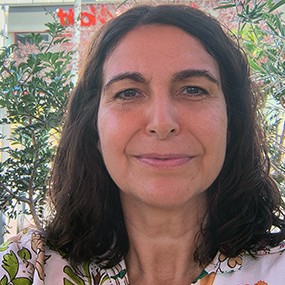
Laia Solano-Gallego

Guadalupe Miró
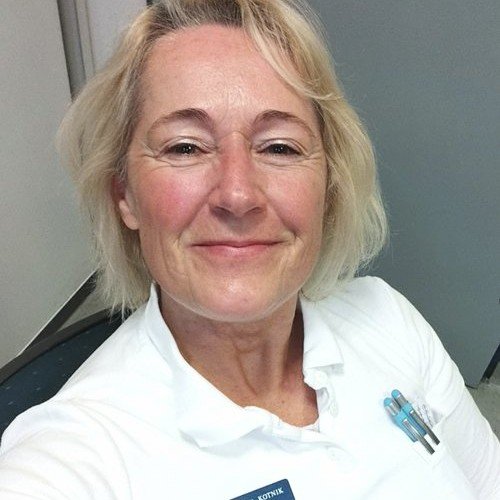
Tina Kotnik

Luis Cardoso
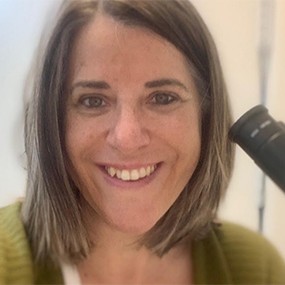
Laura Ordeix
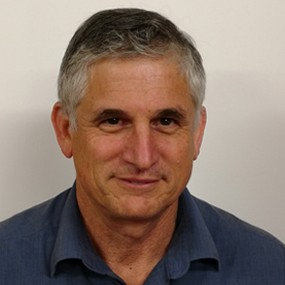
Gad Baneth
Patrick Bourdeau
Gad Baneth
Guadalupe Miró
Tina Kotnik
Katja Adam
Gaetano Oliva
Luis Cardoso
Laia Solano-Gallego
Patrick Bourdeau
Laura Ordeix
Looking beyond the typical clinical case
The second day of LeishVet UP! 2026 broadens the discussion to some of the more complex aspects of the disease.
The programme includes sessions on uncommon clinical presentations in dogs, coinfections, and canine leishmaniosis associated with immune-mediated conditions. These topics are important because real-world patients do not always present according to the textbook.
The ability to recognise unusual presentations and understand possible interactions with other diseases can be crucial when investigating a complex case.
Feline leishmaniosis gets greater attention
Feline leishmaniosis features repeatedly throughout the programme, reflecting growing interest in the disease in cats.
Sessions will address feline leishmaniosis as well as the LeishVet clinical staging approach for cats, with further discussion of diagnosis through serology and PCR.
For veterinary professionals working with feline patients, these sessions offer an opportunity to explore a disease that can be more difficult to recognise and interpret in clinical practice.
The role of public health
Leishmania is not only a veterinary concern. The programme also includes a session dedicated to canine and feline leishmaniosis and public-health considerations, presented by Gad Baneth and Patrick Bourdeau.
This broader perspective reinforces the importance of considering leishmaniosis within a One Health context, where animal health, human health and environmental factors are closely interconnected.
From lectures to real clinical cases
One of the highlights of the second day will be an interactive discussion of clinical cases with LeishVet members.
Rather than focusing exclusively on lectures, participants will have the opportunity to work through clinical cases, with case studies shared before the event. The session is scheduled for three hours, providing substantial time for discussion and practical learning.
This practical element is particularly valuable because it allows scientific knowledge to be connected directly to the decisions veterinarians make in everyday clinical practice.
A comprehensive update for veterinary practitioners
Across two days, LeishVet UP! 2026 will cover the disease from multiple perspectives: epidemiology, infection and disease progression, diagnosis, biomarkers, treatment, drug resistance, prevention, clinical staging, coinfections and public health.
The programme also brings together a broad group of LeishVet experts, including Guadalupe Miró, Patrick Bourdeau, Gaetano Oliva, Laia Solano-Gallego, Tina Kotnik, Gad Baneth, Luis Cardoso and Laura Ordeix.
For veterinary professionals who diagnose or manage leishmaniosis, or who want to stay current with developments in this rapidly evolving field, LeishVet UP! 2026 promises to be an important opportunity to update knowledge, discuss challenging cases and explore where the field is heading next.
LeishVet UP! 2026 takes place on 16–17 October 2026, with the scientific programme combining expert presentations, discussion sessions and interactive clinical case work.
FAQs
What is LeishVet UP! 2026?
LeishVet UP! 2026 is a two-day scientific update for veterinary practitioners focusing on the latest developments in canine and feline leishmaniosis, including epidemiology, diagnosis, treatment, prevention and clinical management.
When does LeishVet UP! 2026 take place?
LeishVet UP! 2026 takes place on 16 and 17 October 2026.
What topics will be covered at LeishVet UP! 2026?
The programme covers epidemiology, disease progression, diagnosis, serology and PCR, biomarkers, treatment, drug resistance, prevention, clinical staging, coinfections, immune-mediated conditions and public health.
Does the programme cover feline leishmaniosis?
Yes. Feline leishmaniosis is covered in several sessions, including diagnosis, serology and PCR, and the LeishVet clinical staging approach for cats.
What will the programme cover about diagnosing leishmaniosis?
Experts will examine different diagnostic approaches, including the interpretation of serology and PCR in dogs and cats, as well as the potential role of new biomarkers in diagnosis and patient follow-up.
Will LeishVet UP! 2026 discuss treatment and drug resistance?
Yes. The programme includes sessions on the clinical management of leishmaniosis, treatment strategies and emerging concerns surrounding drug resistance.
What prevention strategies will be discussed?
The programme will examine current developments in leishmaniosis prevention, including the role of repellents and vaccines.
Will there be practical clinical cases?
Yes. The second day includes a three-hour interactive session in which participants will discuss clinical cases with members of the LeishVet Group.
Katja Adam
Luis Cardoso
Laia Solano-Gallego
Gad Baneth
Gaetano Oliva
Tina Kotnik
Laura Ordeix
Patrick Bourdeau
Guadalupe Miró

More Than a Congress Bag: Carrying a Story of Hope
Pilar Vidueira
As we look forward to welcoming you to the LeishVet Update Meeting in Bled, Slovenia, we are delighted to share a special initiative that reflects the spirit of our community.
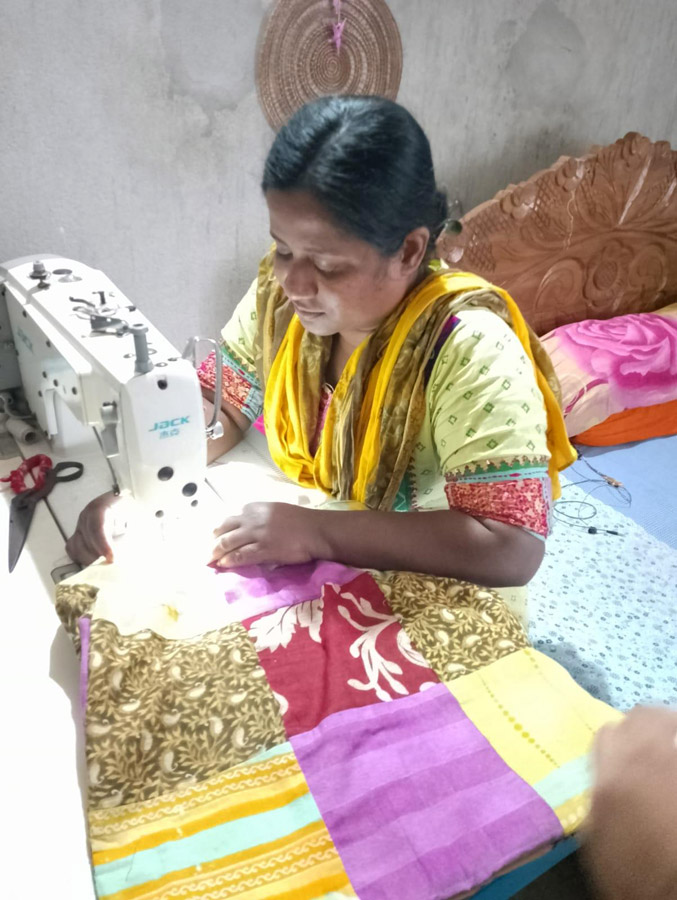
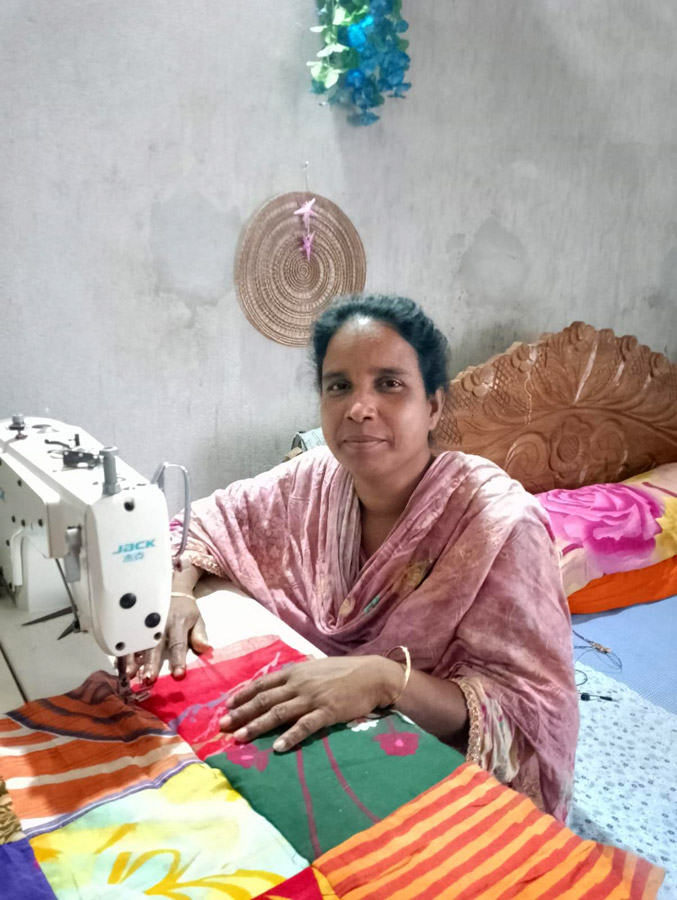
This year, every participant will receive a congress bag that is much more than a practical gift. Each bag has been handcrafted by BASE Bangladesh, a fair trade organization that empowers local artisans and creates sustainable opportunities for women facing social and economic hardship. Every stitch represents skilled craftsmanship, dignity, and the opportunity for women to build a better future for themselves and their families.
For LeishVet, this choice is more than a purchasing decision—it is a way to support people, strengthen communities, and extend the values of care and compassion that unite us as veterinary professionals.
Our collaboration is part of LeishVet’s ongoing support for the humanitarian projects of the Lay Xaverian Missionaries and NSS ONG, working alongside the Munda of Sundarban ethnic group in the regions of Ishwaripur–Shyamnagar and Khulna, Bangladesh. Together with the PIME Sisters’ Leprosy & TB Control Program and the Santa Maria Bicitra Sick Assistance Center, these initiatives bring prevention, healthcare and hope to vulnerable communities affected by leprosy, tuberculosis and thalassemia.
When you receive your congress bag in Bled, we hope you will see it as more than a conference accessory. It is a reminder that our community can make a positive difference not only by advancing scientific knowledge, but also by supporting initiatives that improve lives and create opportunities for those who need them most.
Thank you
Thank you for being part of the LeishVet community and for helping us carry this message of solidarity, dignity and hope.
We look forward to welcoming you to Bled.
CVBD World Forum 2026
Pilar Vidueira
CVBD World Forum 20th Anniversary
One Health in action: Mapping & modelling companion animal vector-borne diseases
May 4th to 7th, 2026
Dublin, Ireland
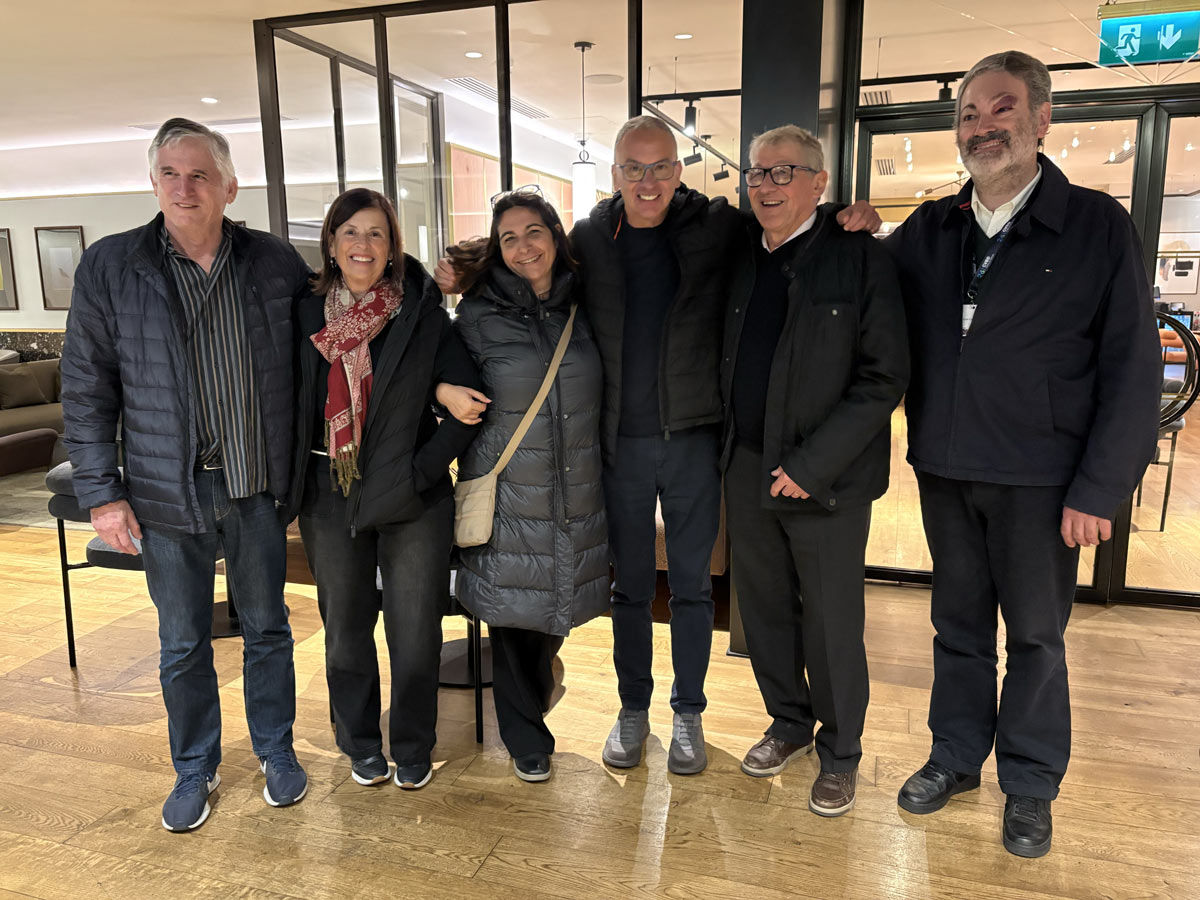
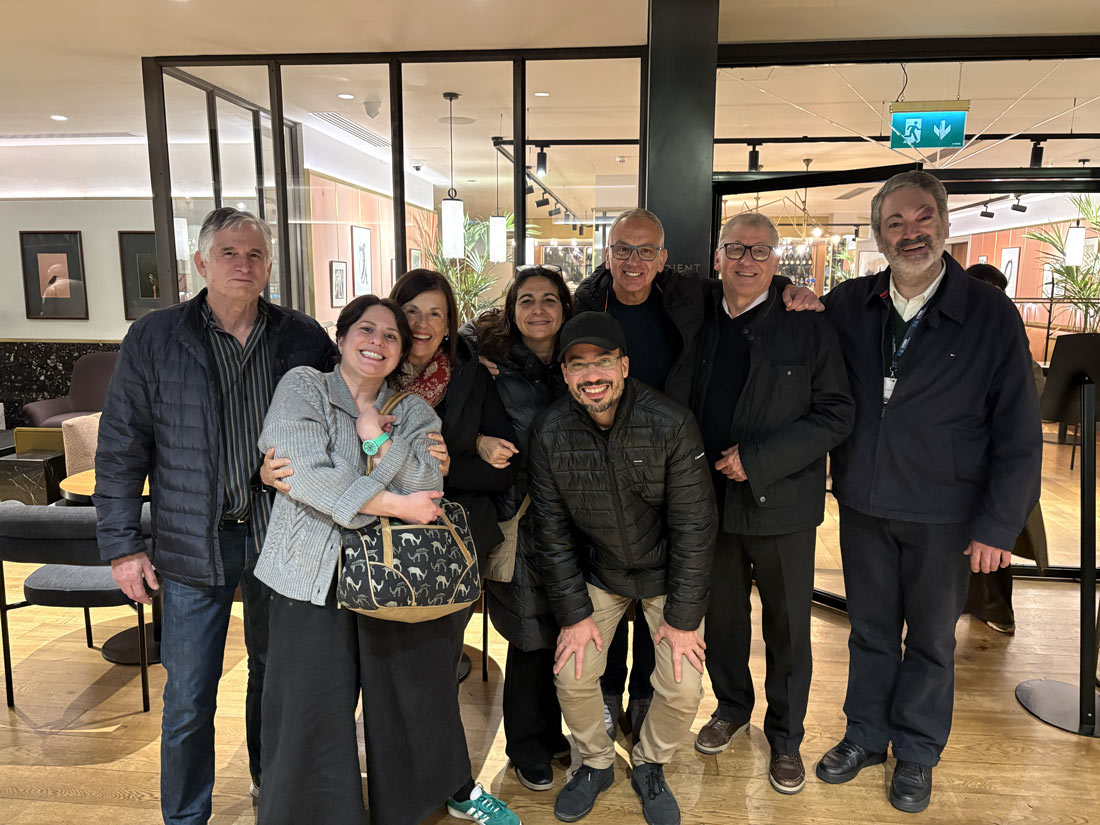
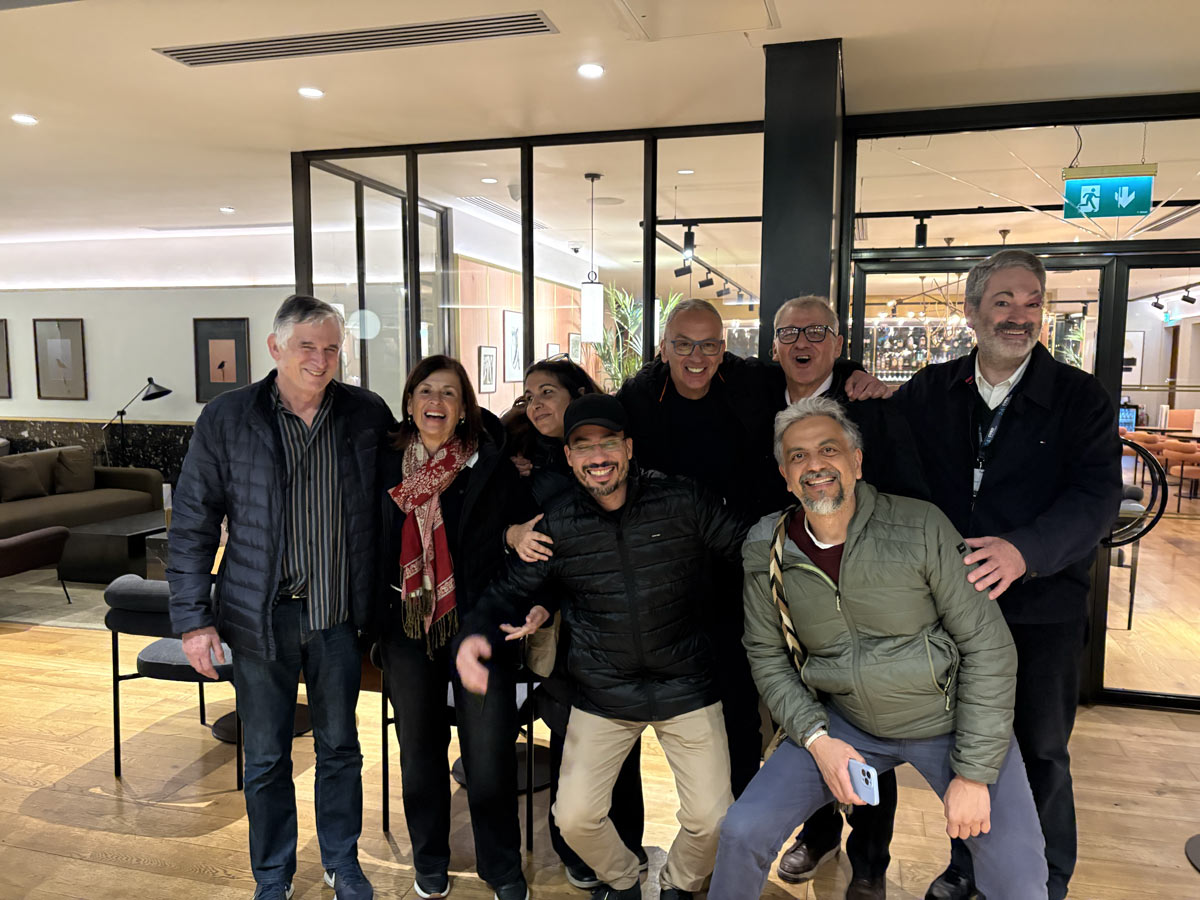
The LeishVet group met in Dublin this last May. In the pictures, LeishVet members with Cassan Pulaski, Filipe Dantas-Torres and Domenico Otranto.

Interactive Discussion of Clinical Cases with LeishVet Members
Pilar Vidueira
Learn, Discuss, Decide — Together
One of the highlights of the second day of LeishVet UP! will be our highly interactive Clinical Cases Session, designed to bring participants closer to real-life decision making in canine and feline leishmaniosis.
This 150-minute session will combine teamwork, clinical reasoning, expert guidance, and audience interaction in a dynamic workshop environment.
How Will the Session Work?
Participants will be divided into small working groups of 8–10 veterinarians seated at dedicated tables. The workshop will run simultaneously in two rooms, allowing participants to take part in this hands-on experience.
Each room will work on:
- 2 clinical cases of canine leishmaniosis (CanL)
- 1 clinical case of feline leishmaniosis (FeL)
Every case will be supervised by experienced LeishVet members, who will guide discussions and support participants throughout the exercise.
A Real Clinical Approach
Before the session, participants will receive a written case summary including:
- signalment,
- anamnesis,
- and clinical examination findings.
Case summaries may also be available on the congress website one week before the event, allowing attendees to familiarise themselves with the cases in advance.
Each table will nominate a spokesperson who will interact with the faculty during the final discussion.
Working as a Clinical Team
During the workshop, each group will be asked to:
- identify the main clinical problems,
- discuss possible differential diagnoses,
- decide which laboratory and imaging tests are necessary,
- evaluate patient status,
- and propose treatment and follow-up plans.
Participants will have 30 minutes to analyse their case together. During this time, LeishVet members will rotate between tables, answer questions, provide requested diagnostic results, and stimulate discussion.
The goal is to recreate the collaborative thinking process that takes place in everyday clinical practice.
Interactive Discussion with LeishVeters
Following the group work, the LeishVet faculty will present and discuss each case with the entire audience using clinical images, laboratory findings, and supporting slides.
This interactive discussion will allow participants to compare approaches, challenge decisions, and explore different diagnostic and therapeutic strategies in a practical and engaging way.
Test Your Knowledge Live
To conclude the session, participants will take part in a live interactive quiz.
The questionnaire will include case-based questions designed to reinforce key learning points and encourage audience participation through real-time voting and discussion.
Why You Should Join
- practical,
- collaborative,
- clinically relevant,
- and highly interactive.
Rather than simply listening to lectures, participants will actively work through real clinical challenges alongside internationally recognised LeishVet experts.
Whether you are looking to improve your diagnostic reasoning, discuss treatment strategies, or exchange ideas with colleagues, this session promises to be one of the most engaging experiences of LeishVet UP!
We look forward to seeing you there!
Present at this year’s SiSAVA Symposium
Pilar Vidueira
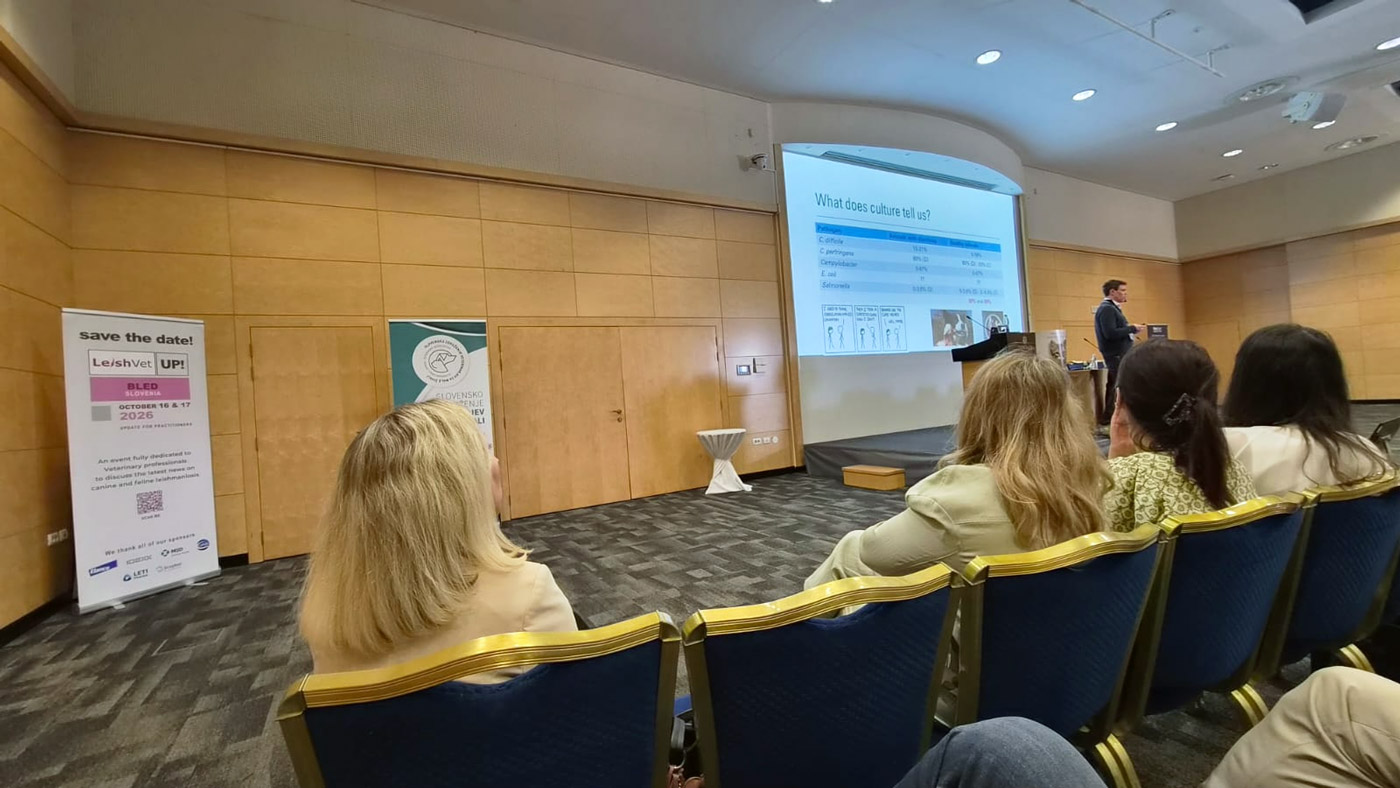
LeishVet UP! had a small but visible presence at this year’s 37th SiSAVA Symposium, which took place on 16-18 April 2026 in Portoroz, Slovenia. The symposium, organised by the Slovenian Small Animal Veterinary Association (SiSAVA), brought together a number of internationally recognised experts in veterinary medicine. This year’s main professional themes included internal medicine, neurology, surgery, behaviour, dentistry, and dermatology.
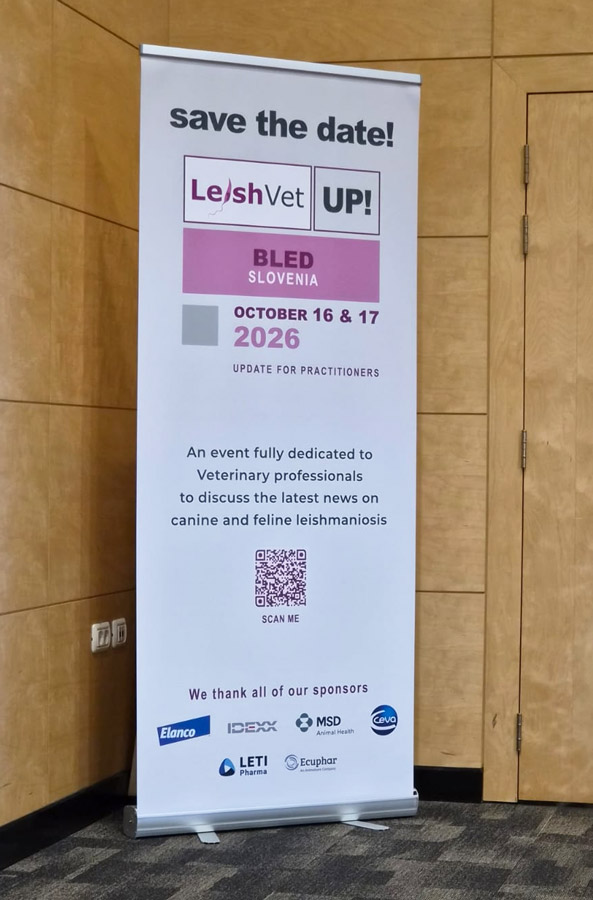
Our contribution was simple. A roll-up banner introducing the upcoming LeishVet UP! conference in Bled, this coming October. No formal presentation, no scheduled slot. Just a clear visual placed within the flow of the event. And that was enough.
People noticed it during breaks, while moving between sessions, or while waiting for the next lecture to start. Some stopped briefly. Others came back later for a second look. A few asked questions, mostly practical ones. When is it happening? Where will it be held? Who is it for?
Why attend LEISHVET UP!
- Scientific event fully dedicated to Veterinary professionals
- Two days of interactive sessions to discuss the latest news on canine and feline leishmaniosis
- Focus on diagnostic approach, clinical cases, treatment and preventive measures
- Topics discussed from real clinical cases
- Internationally recognised speakers available for discussion with you!
- Wonderful location, affordable registration, economic accommodation available close to the event site
- Interesting social program!
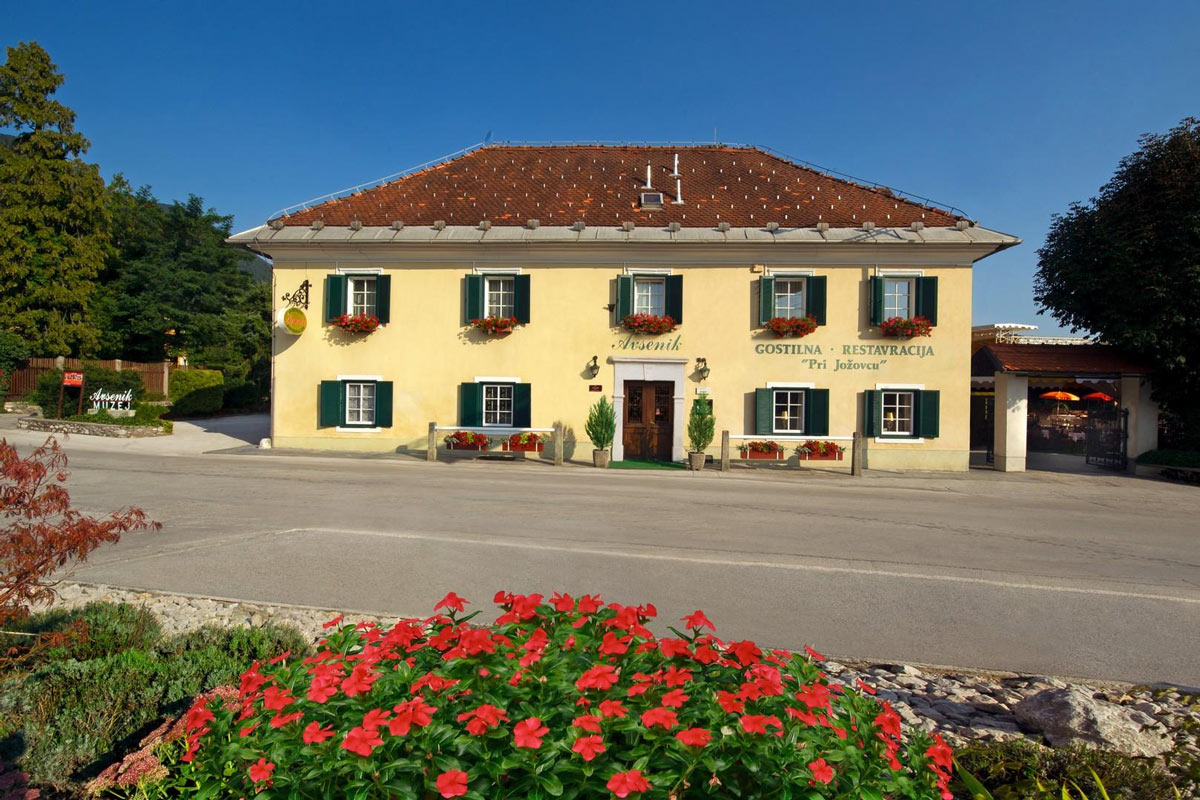
Our Social Dinner: Real and relaxed
Pilar Vidueira
You walk in and it does not feel like a conference dinner. That is still the first thing worth saying.
For LeishVet UP!, we knew early on we did not want another predictable evening. It works, technically. But it disappears from memory almost instantly. So we went looking for something else. Not bigger. Not fancier. Just… more real.
That search led us just outside Bled, to Begunje. A short drive. Ten minutes, maybe a bit more if people get distracted by the scenery, which they usually do. Mountains in the background, open space, that quiet shift from “conference mode” to something looser. You can feel it even before arriving.
Gostilna Avsenik was not chosen by accident. And once you step inside, it makes sense.
The evening will take place in the Dvorana Pod Avsenikovo marelo. It is not just a dining room. It is a space that has hosted television shows, concerts, music competitions, even theatre. You can feel that history in the room. It is built for gatherings that matter. Not just meals. We are creating a shared moment.
Capacity is not an issue either. The space comfortably holds large groups, but what is interesting is that it still feels intimate once people are inside. That balance is not easy to get right.
And then there is the stage.
A proper one. Not a small corner with a speaker and a microphone. A real stage, designed for performances. That changes everything. It allows the evening to evolve naturally. Dinner is just one part of it. Music, interaction, maybe even a few surprises. The space invites it.
Here is where things shift from a standard event to something more memorable, because this is where people start to relax.
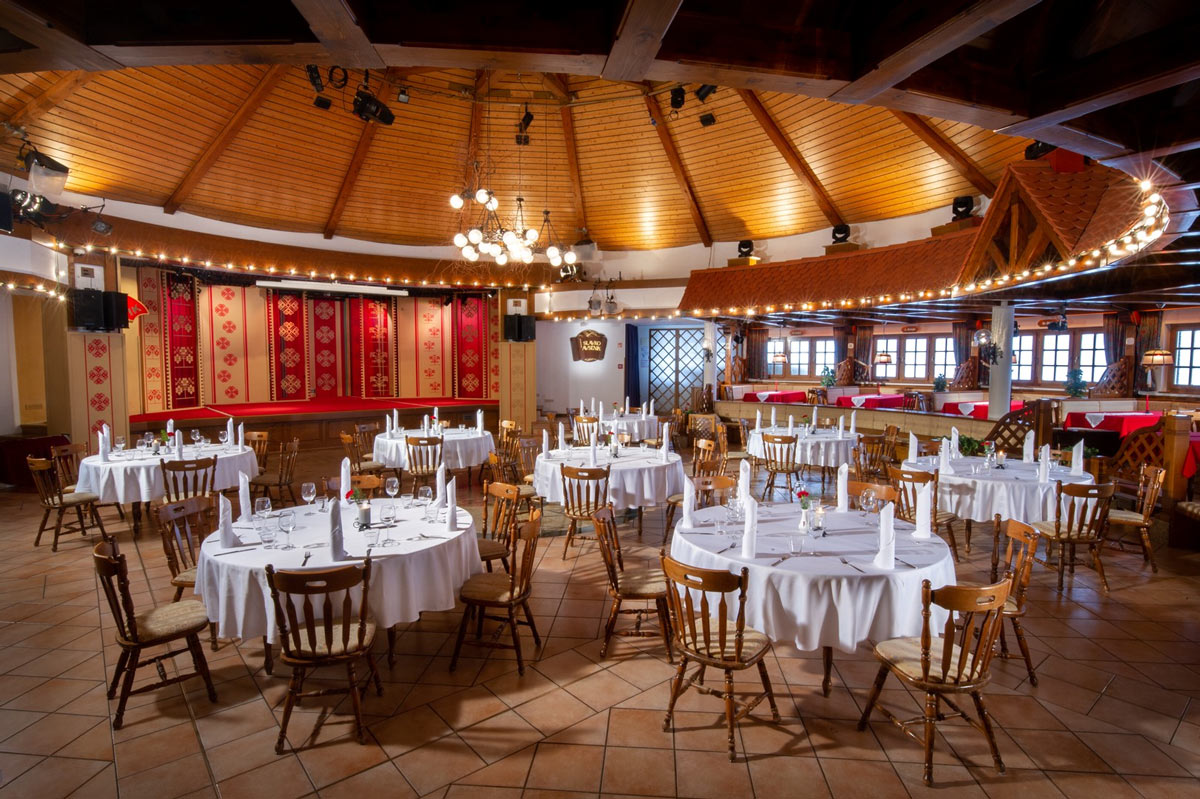
The structure of the evening helps. A welcome drink that is not rushed. People arriving in waves, conversations building naturally instead of being forced. Then dinner, rooted in Slovenian tradition. Generous, comforting, easy to share and talk about. No one is overthinking the menu. That is a good sign.
Then, almost without a hard transition, the energy lifts. Music fills the room. Not background noise. Something you notice immediately. Something that belongs to this place. There is always a moment, just a few seconds, where people are not sure what to do. Look around, smile, take it in.
And then it clicks.
Conversations get louder. People lean in. Someone laughs. Someone else starts tapping along to the rhythm. The room becomes more fluid, less structured. Titles and roles matter a little less.
For a congress like LeishVet UP!, that shift is incredibly valuable. During the day, everything is focused, precise, structured. Talks, data, discussions. Necessary, of course. But also intense. In the evening, you need something that releases that pressure without losing the sense of purpose. This setting does exactly that.
It creates space for real connection.
You start to see different dynamics. People who did not interact during sessions suddenly sharing a table conversation. New collaborations being hinted at over dessert. Small groups forming and reforming. It is subtle, but it is where the real value of a congress often lives.
And then there is the cultural layer.
We are not just hosting an event. We are inviting people into a piece of Slovenia that goes beyond the obvious highlights. Yes, Bled is beautiful. Everyone knows that. But this is something deeper. Music with roots. Food with context. A space that has been used for celebration, performance, and gathering long before our event arrived.
Months later, attendees might not remember every presentation. That is normal. But they will remember this night. The atmosphere. The sound of live music in a full room. The sense of being part of something that was not generic.
But the real reason goes beyond logistics. It gives the event a different kind of energy. One that is harder to describe, but easy to recognise when you are in the room.
And if people leave thinking, “that was not just another conference dinner,” then we have done our job.
So what do you need to do if you are coming to LeishVet UP! Congress 2026?
You just need to confirm your attendance for organisation purposes. The Social Dinner on October 16th 2026 is included in your registration rate, as well as the transport organised from the congress premises to the restaurant and back.
We hope you can join us!

A Taste of Bled: Local Dishes to Try During LeishVet UP 2026
Pilar Vidueira
Something happens when you arrive in Bled. It might be the lake. Or the mountains rising quietly behind it. Or maybe it is simply the fact that the air smells a little different. Cleaner. Colder. And yes, occasionally like freshly baked pastry drifting from a nearby café.
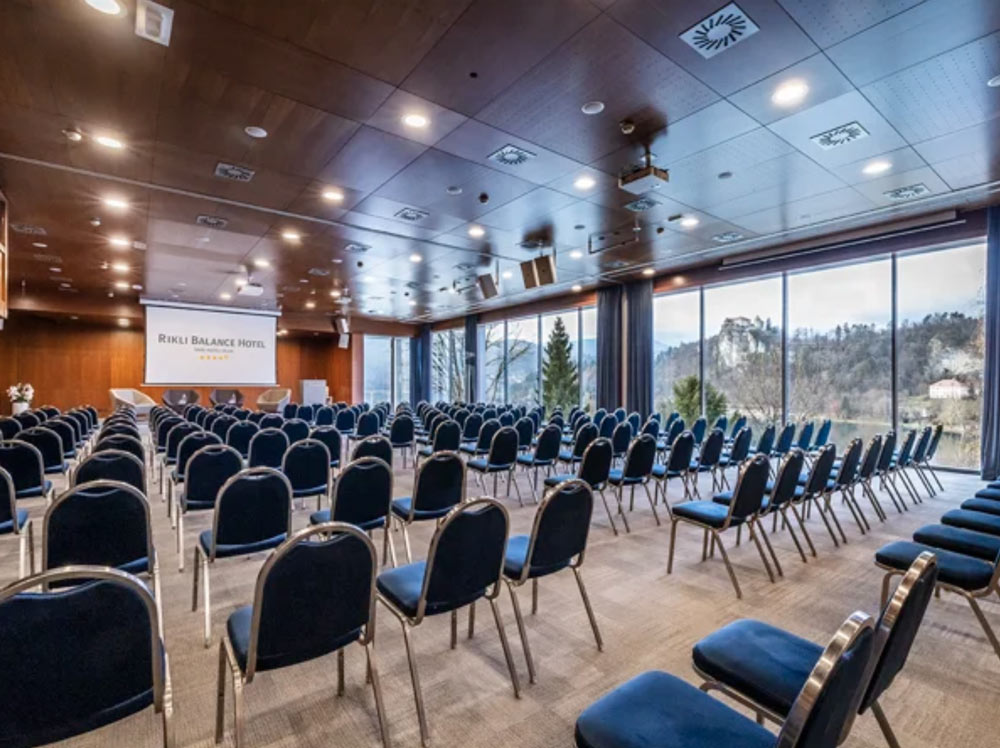
For those planning to attend the upcoming LeishVet Up Congress 2026, the focus will obviously be veterinary science, discussion, and collaboration. But between lectures, workshops, and conversations in the corridors of the Rikli Balance Hotel, there is another discovery waiting outside. Slovenian food. And Bled, small as it is, takes its food surprisingly seriously.
Let’s start with the one thing nobody escapes. The famous Bled cream cake, known locally as Blejska kremšnita.
You will see it everywhere. In bakery windows. On café menus. On the table next to someone who already looks suspiciously happy.
It looks simple. A square slice with layers of crisp pastry, vanilla custard, whipped cream, and a dusting of powdered sugar. Nothing fancy. No modern plating tricks. Just a dessert that has been done the same way for decades. The official version was first created in the kitchens of the Hotel Park in the 1950s and people still queue for it today.
And here is the interesting part. Slovenians will debate where the best slice is served. Quietly. Politely. But the debate is real.
After dessert, something more substantial is probably in order. Slovenian cuisine sits at a crossroads of cultures. You can taste influences from Italy, Austria, Hungary, and the Balkans, yet it remains very much its own thing.
Take Kranjska klobasa for example. This Carniolan sausage is almost a national treasure. Slightly smoky, rich, and usually served with mustard, sauerkraut, and a thick slice of bread. Simple food, but deeply satisfying after a long walk around the lake.
Then there is Štruklji. This one confuses visitors at first. Is it a dessert? A side dish? A main course? The answer is yes. All of the above.
Štruklji are rolled dumplings made with dough and filled with different ingredients. Cottage cheese is common, but you might also find walnut, tarragon, or even savory versions with herbs. They can be baked, boiled, or steamed. If you see them on a menu in Bled, try them. This is the sort of dish that locals grow up with.
And then there is the alpine side of Slovenian cooking. Hearty, warming, and designed for cold winters in the nearby Julian Alps. One dish worth seeking out is Jota. A thick soup made with beans, potatoes, sauerkraut, and smoked pork. Not glamorous. Not Instagram food. But incredibly comforting. Especially if you have spent the morning exploring the trails around Lake Bled.
Speaking of exploring, many visitors walk up to Bled Castle for the view. And yes, the view is spectacular. But something else happens on the way back down. Hunger.
That is usually the moment when people discover the small local restaurants tucked into side streets. Places where menus are short, the staff know the dishes by heart, and portions are generous enough to make you reconsider ordering dessert. Although, realistically, you will order dessert anyway.
Another detail that often surprises visitors is local Slovenian ingredients. Honey from nearby beekeepers. Fresh trout from alpine rivers. Wild mushrooms when the season allows it. Slovenia has a strong tradition of small scale producers, and chefs in the Bled region make good use of it.
And wine. That deserves a quick mention.
Slovenia produces excellent wines, yet many travellers arrive knowing almost nothing about them. White varieties such as Rebula or Sauvignon Blanc are particularly good and pair beautifully with lighter dishes like trout or fresh cheeses. Ask a waiter for a local recommendation and you will usually get a thoughtful answer rather than a sales pitch.
So what does this mean for visitors coming to the LeishVet UP Congress 2026?
Quite simply this. Plan a little extra time around the scientific program. Walk around the lake. Try the cream cake. Order something you cannot pronounce. Sit outside if the weather allows it.
Because conferences are not only about the sessions inside the venue. Sometimes the real conversations happen over coffee, or lunch, or a shared plate of something unexpectedly delicious.
Bled happens to be a very good place for those moments. Staying at the Rikli Balance Hotel only makes the experience better.
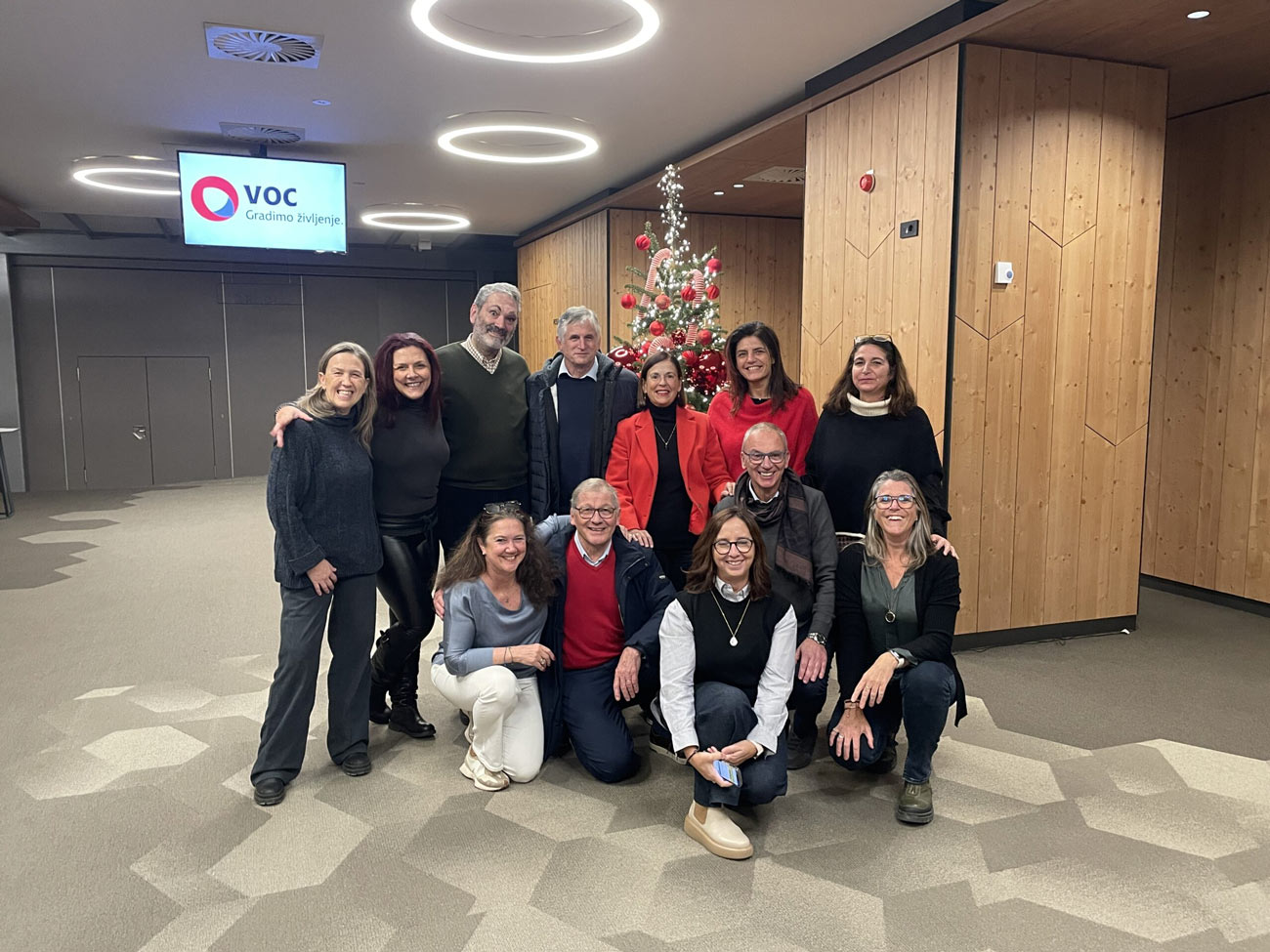
We thank all our LeishVet sponsors
Pilar Vidueira
Preparing for LeishVet UP! 2026: The Journey Begins in Bled
This last November, LeishVet had the pleasure of hosting their Annual Board and long-term Partner Meting in the beautiful town of Bled, organized by Yes I Kahn. The meeting marked an important milestone in the preparations for this year’s highly anticipated veterinary congress.
Sponsors had the opportunity to discover the stunning Rikli Balance Hotel, a venue known for its inspiring views and welcoming atmosphere — the perfect setting for scientific exchange and professional networking.






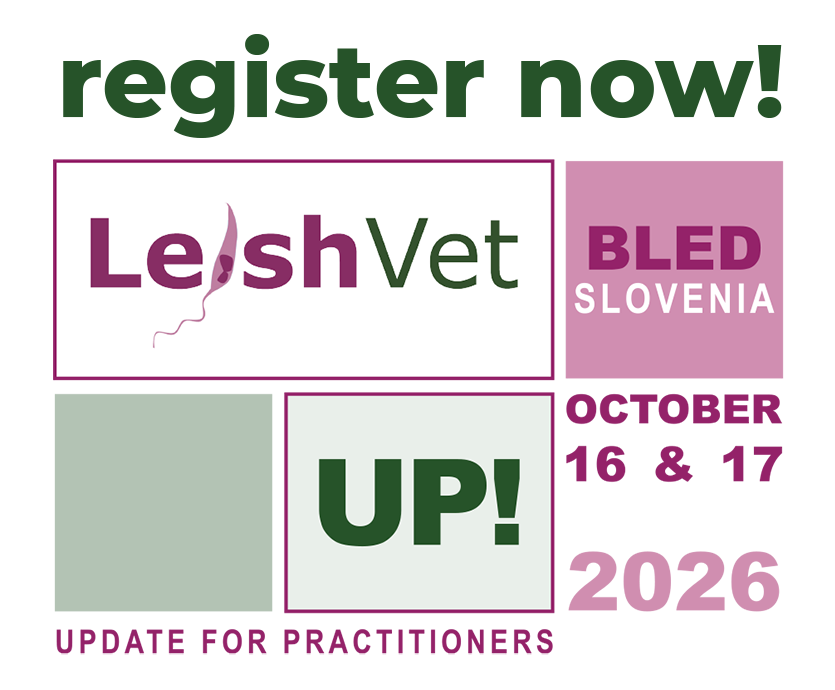
On 16–17 October 2026, Bled will host the LeishVet UP! Congress, an international event dedicated to canine and feline leishmaniosis and designed specifically for veterinary practitioners.
Participants can look forward to a dynamic program led by the members of the LeishVet board, including: Gad Baneth, Luis Cardoso, Patrick Bourdeau, Guadalupe Miró, Gaetano Oliva, Laura Ordeix, Maria Grazia Pennisi and Laia Solano‑Gallego.
Together, they will share the latest scientific insights and practical approaches to managing this important parasitic disease in small animal practice. More details about the program will be announced soon — so stay tuned for updates in the coming weeks.
Thank You to Our Long-Term Partners
Events like this are only possible thanks to the continued support of LeishVet’s long-standing partners:
Ceva
Ecuphar
Elanco
IDEXX
LETI Pharma
MSD
Their commitment over the years has played a crucial role in advancing knowledge and collaboration around leishmaniosis.
Building the Congress Experience
We are excited to continue working together to create a meaningful and impactful event for the veterinary community.
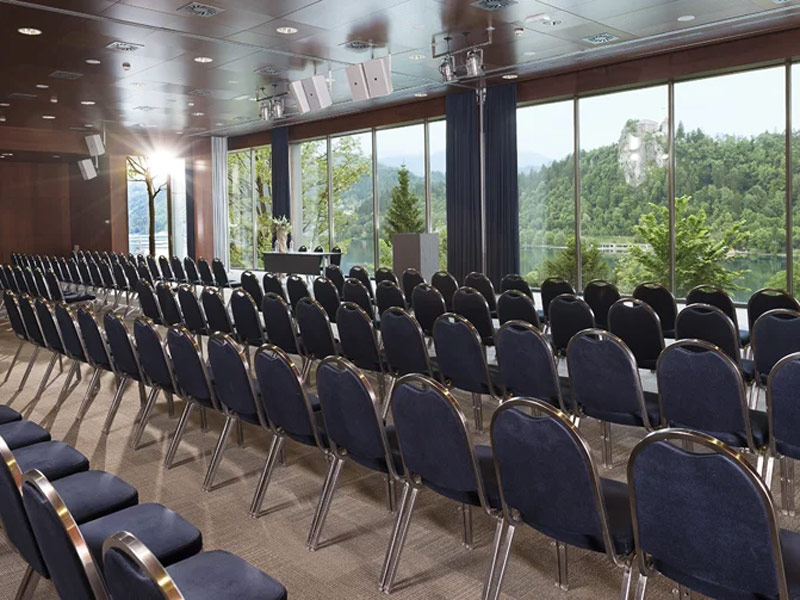
Bled, the perfect setting for LeishVet UP!
Pilar Vidueira
The Setting Matters More Than You Think
Bled was chosen with intention.
The event will take place on 16th and 17th October 2026 at the Rikli Balance Hotel, right by the lake, approximately 35 km from Ljubljana Airport. All sessions are hosted within the hotel itself. There is a social dinner included in the registration package.
But, why mention this in a clinical discussion?
Because environment influences how we learn.
When everything is in one place, you do not lose energy commuting between venues. When the surroundings are calm and beautiful, your mind has space to absorb information. Informal conversations over dinner often spark insights that formal lectures cannot.
Some of the most useful clinical tips are exchanged not at the podium, but over coffee. Or while walking back from a session, still processing what you just heard.
What makes LeishVet UP! different is that it has been designed around this reality. The focus is practical decision making based on real clinical cases. Not abstract data presented in isolation, but how that data translates into what you do at 4.30 pm on a busy Friday.
The Rikli Balance Hotel
Arnold Rikli was one of the greatest pioneers of natural healing and a true visionary of his time. In the 19th century, he recognised the healing power of sun, fresh air, water, and movement — principles that were revolutionary long before wellness became a global movement.
By establishing one of the first organised health resorts in Bled, he laid the foundations of health tourism in the region and helped shape Bled’s international reputation as a place of vitality and innovation.
It is no coincidence that LeishVet UP! takes place here. Just as Rikli once brought new ideas about health to Bled, LeishVet UP! gathers modern veterinary professionals to exchange knowledge, challenge conventions, and shape the future of animal care — inspired by a place where progressive thinking has deep roots.
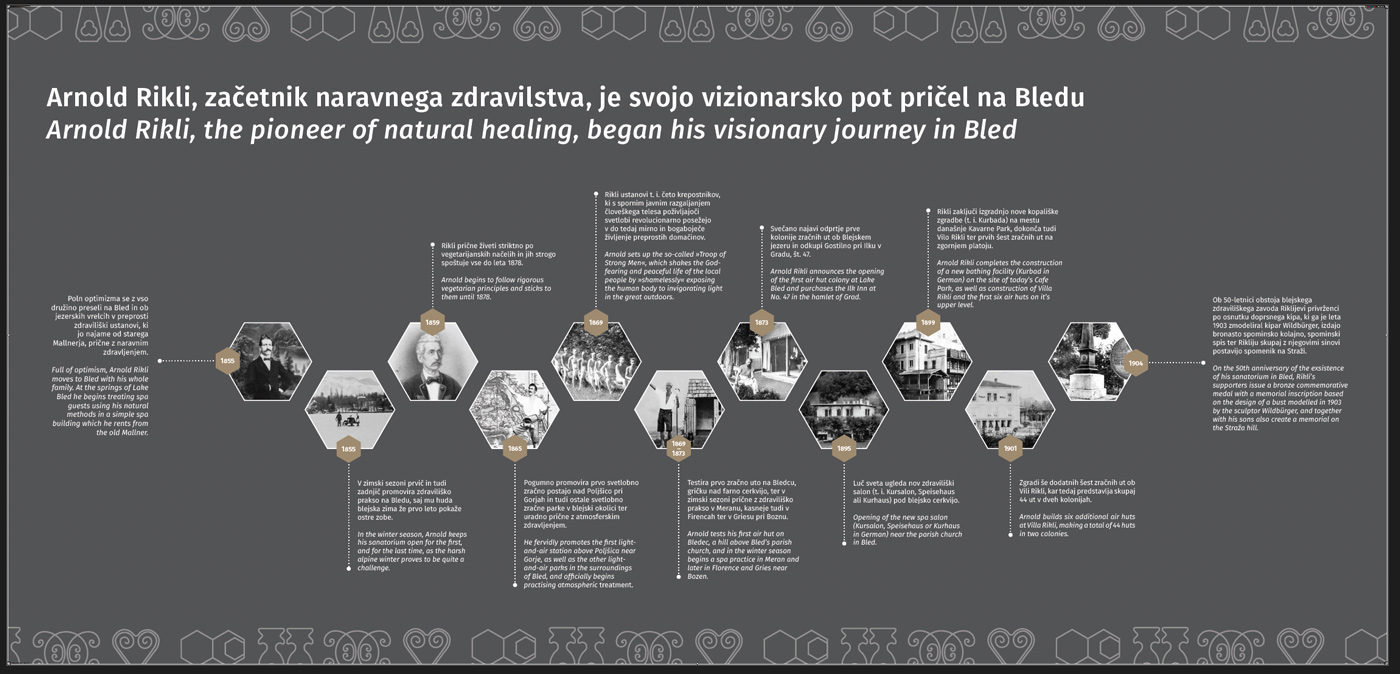
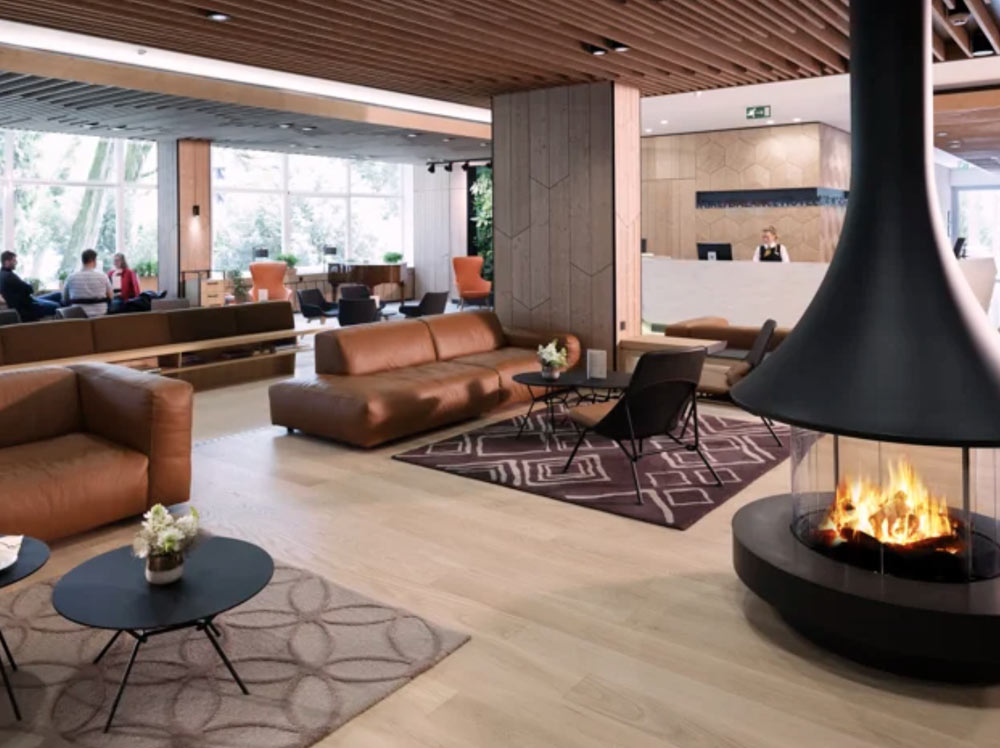
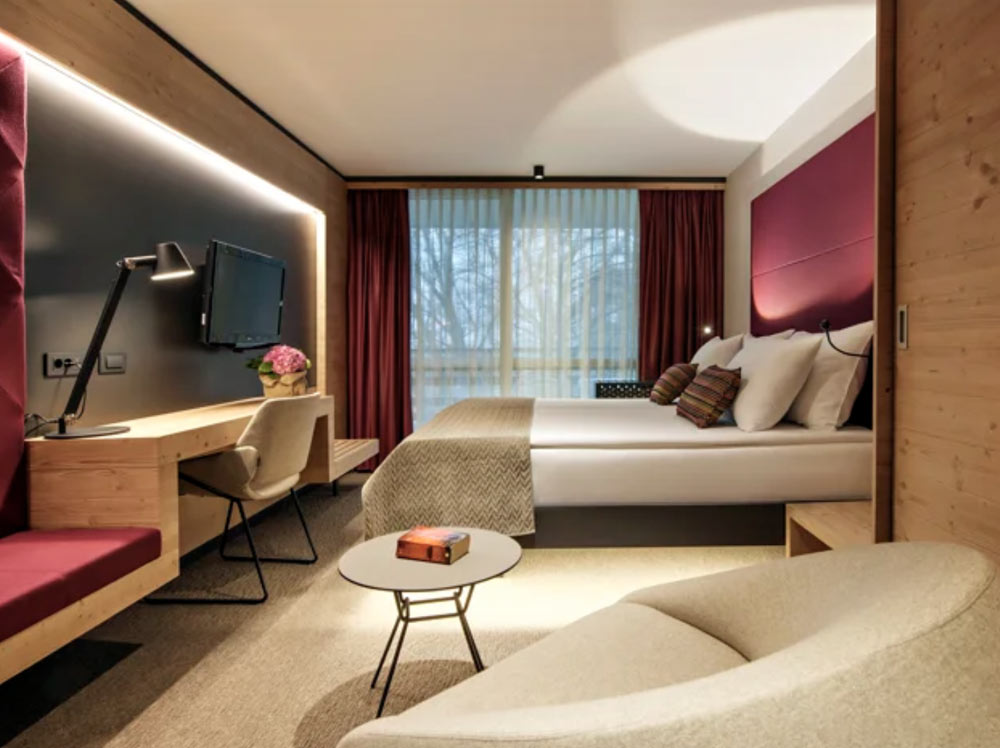

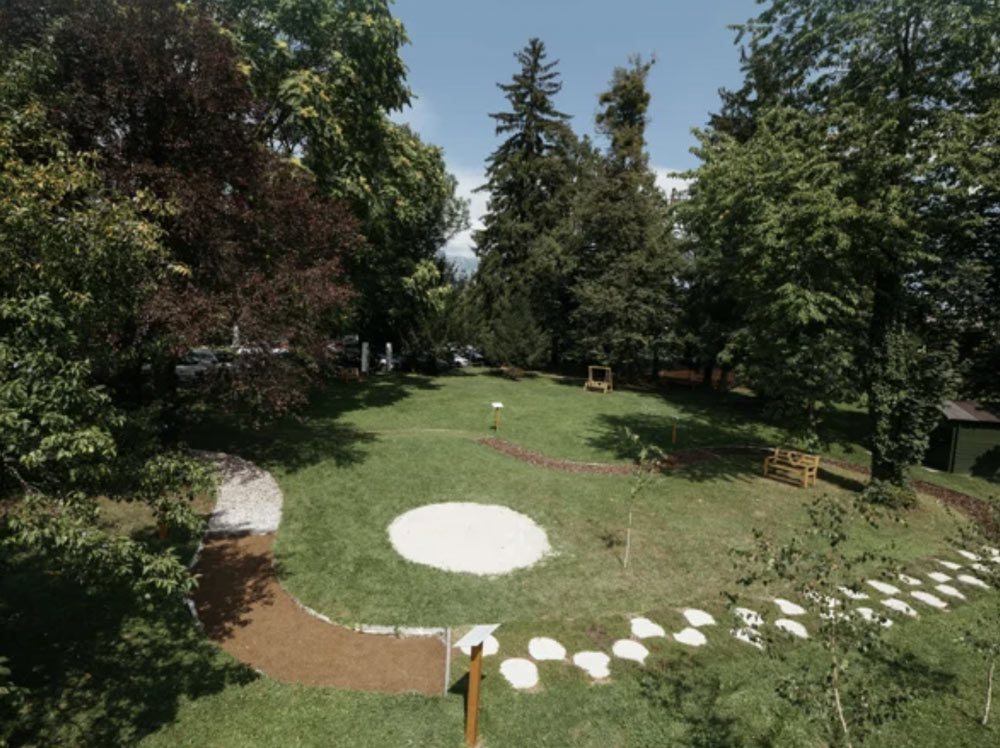
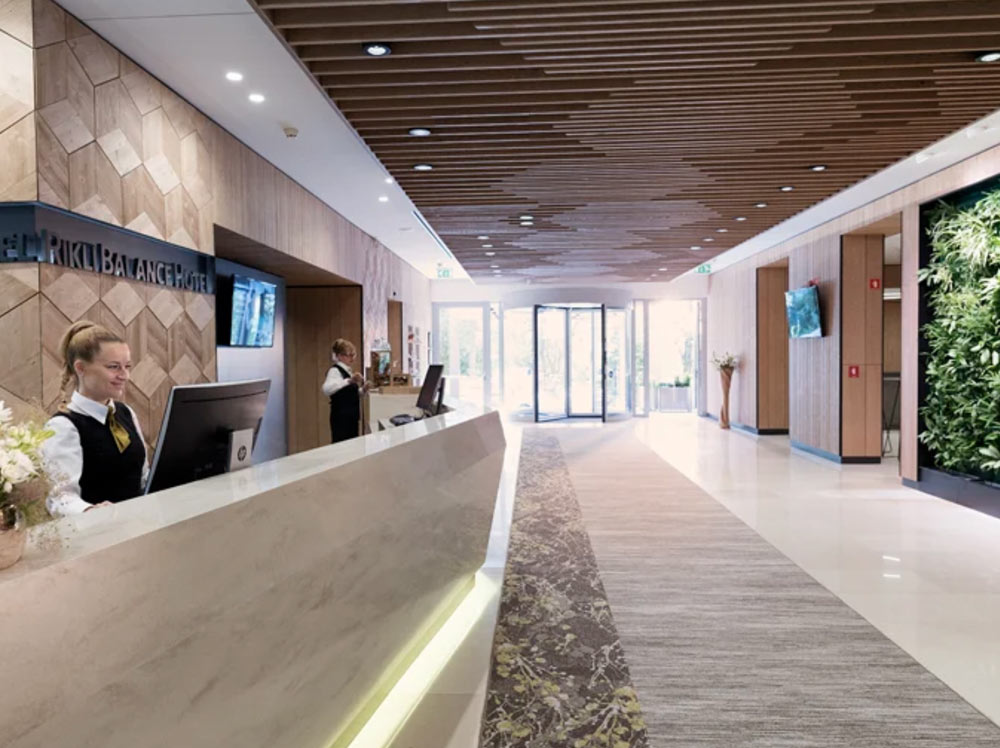
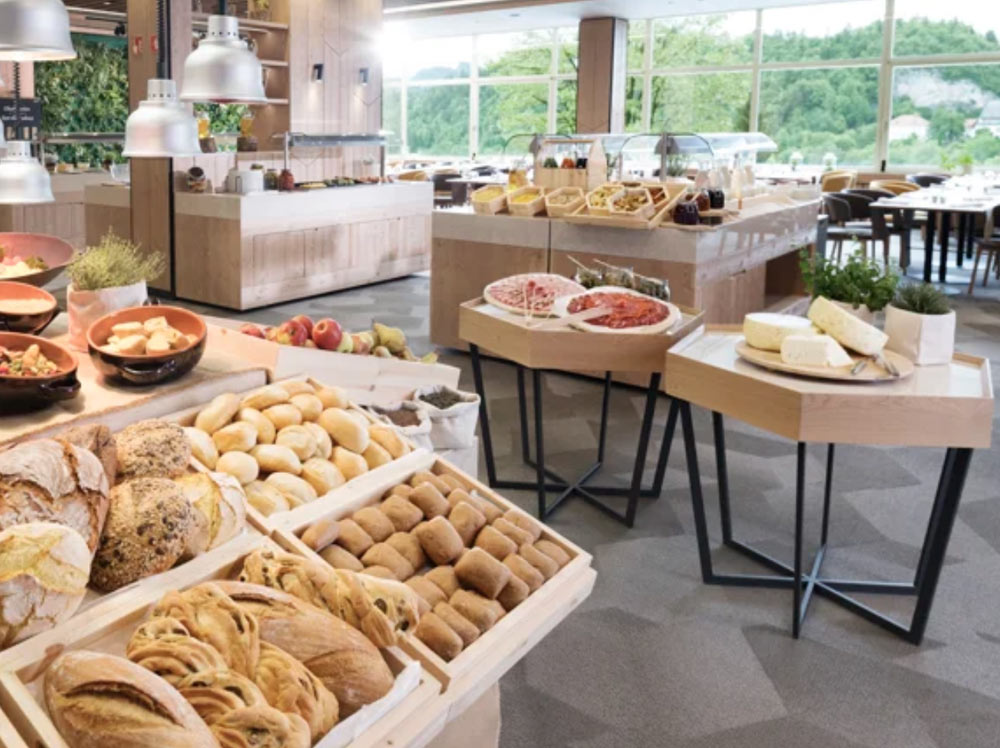

At the Rikli Balance Hotel, the congress centre is right at the centre of Bled’s meeting scene — but it’s far from a typical conference venue. Everything here follows a green mindset. Team-building can mean learning about old shepherd traditions, trying hands-on local crafts, or stepping into a Rikli-inspired outdoor experience. Even the coffee breaks reflect the philosophy of Arnold Rikli, with fresh, healthy snacks instead of the usual heavy treats. And with conference halls overlooking Lake Bled, nature is always part of the experience.
Rikli believed that something as simple as walking barefoot could help restore balance — and that idea lives on in the Rikli Barefoot Path, created to reduce stress and clear the mind. Just next to the hotel, Rikli’s Relaxation Park offers space to slow down, breathe deeply, and reconnect with yourself. A quiet walk, a yoga session in the open air, or simply a moment of stillness — it’s all there, in the calm atmosphere of Bled.
Book your room now for LeishVet UP!
Accommodation will be available in three hotels including the Rikli Balance Hotel and two other very close by hotels run by the SAVA group; the Hotel Savica Garni and the Hotel Park. Booking your accommodation at our special negotiated rates is now available online on this link.
Why attend LeishVet UP!
Pilar Vidueira
Registration is now open!
You’re sitting in consult with a dog who just doesn’t quite fit the textbook picture. Mild lymphadenopathy. Skin lesions that could be a dozen different things. Bloodwork that raises an eyebrow but doesn’t shout. Leishmania crosses your mind. Again.
And here’s the honest part: even if you’ve treated it before, even if you work in an endemic area, there are still moments when you pause. Is this the right diagnostic pathway? Should I treat now or monitor? What about co infections? How do I explain long term management clearly to this owner without overwhelming them?
That is exactly where LeishVet UP! comes in
On 16th and 17th October 2026, the LeishVet Group is hosting its first Update for Practitioners event in Bled, Slovenia. Two days. One focused topic. Real clinical relevance. No abstract sessions. No endless research slides disconnected from practice. Just the people who have shaped international guidelines, sitting in the same room as you, talking through real cases.
Why Leishmania Still Challenges Us
Canine and feline leishmaniosis is not new. Most of us have been managing it for years. But it remains one of those diseases that tests clinical judgement.
Diagnosis is rarely binary. Serology results require interpretation, not just reading. PCR has its place, but context is everything. Clinical staging influences decisions. And then there is the grey area between exposure, infection and active disease. That grey area is where most consultations actually live.
Treatment is no less nuanced. We have established protocols, yes. We understand the role of allopurinol, miltefosine, antimonials. We discuss duration, monitoring, relapses. But every patient brings variables. Renal compromise. Owner compliance. Financial limitations. Concurrent disease. Travel history.
Prevention adds another layer. Vaccination strategies. Repellents. Public health considerations. Changing epidemiology in non endemic countries. Clients who move across borders.
None of this is simplistic. And you don’t need simplistic answers.
What makes LeishVet UP! different is that it has been designed around this reality. The focus is practical decision making based on real clinical cases. Not abstract data presented in isolation, but how that data translates into what you do at 4.30 pm on a busy Friday.
Learning from the People Who Wrote the Guidelines
LeishVet is not a commercial entity. It is a scientific group dedicated to advancing knowledge on leishmaniosis in veterinary medicine. Over the years, their guidelines have shaped how many of us diagnose and treat this disease.
At UP!, the entire LeishVet group will be present alongside leading experts. That detail matters. This is not a lecture delivered by someone loosely connected to the topic. These are clinicians and researchers who have been directly involved in building the evidence base and translating it into recommendations.
There is something uniquely valuable about being able to ask, in person, “In this specific scenario, what would you do?”
Because let’s be honest. Guidelines are essential. But they are not a substitute for clinical discussion. Real world medicine involves nuance, compromise and sometimes uncertainty.
Having direct access to that level of expertise, in a setting intentionally built for exchange, is rare. And it is refreshing.
No Abstract Sessions. Here’s Why That’s a Good Thing
Many conferences dedicate large portions of time to abstract presentations. Research is vital. New data drives progress. But if your daily work is heavily clinical, you may have experienced that slight disconnect. Interesting data, yes. Immediately applicable? Not always.
LeishVet UP! has deliberately chosen not to include abstract research presentations this time. Instead, the focus is on updates that directly impact practitioners. Diagnostic approaches. Treatment strategies. Preventive measures. All grounded in case based discussion.
This doesn’t mean science is sidelined. Quite the opposite. The science underpins every recommendation. But the delivery is filtered through the lens of clinical practicality.
That shift in emphasis signals something important. This event is built for you, the practitioner navigating leishmaniosis in real patients, not just in theory.
Facing the Questions We Don’t Always Voice
- Am I over treating mild cases?
- Am I missing subclinical progression?
- How aggressively should I monitor renal parameters?
- What do I say to owners about prognosis without either alarming them or downplaying risks?
- How do I approach feline cases, which still feel less clear cut than canine ones?
These are not beginner questions. They are thoughtful, experience based reflections. And they deserve thoughtful answers.
An event like this creates space for those conversations. Not rushed. Not squeezed into the last five minutes of a session. But integrated into the learning process.
You will likely find that many colleagues share the same doubts. That shared recognition can be surprisingly reassuring. It normalises the complexity of the disease and reinforces that careful questioning is part of good medicine.
What You Can Expect to Take Home
Let’s keep this realistic.
You will not leave with a magical protocol that eliminates all uncertainty. Medicine does not work like that.
What you can expect is sharper diagnostic reasoning. Greater clarity about staging and treatment decisions. Updated insight into preventive strategies. And perhaps most importantly, increased confidence in explaining your approach to clients.
Confidence does not come from memorising slides. It comes from understanding why you are making a decision.
When you can explain to an owner, calmly and clearly, why you recommend a particular diagnostic step or treatment plan, that trust deepens. And that changes the entire consultation dynamic.
A Quiet Invitation
If leishmaniosis is part of your professional landscape, this event deserves your attention.
Not because it is heavily marketed. It isn’t.
Not because it promises revolutionary breakthroughs. It doesn’t.
But because it offers something increasingly rare. Focused, case based discussion with the people most deeply engaged in this field. In person. With time to think, question and reflect.
All official information will be available on www.leishvet.org and through LeishVet’s social media channels. If you have specific queries, you can contact the organisers at social@leishvet.org.
Before you close this page, pause for a moment.
Think about the last leishmaniosis case that made you hesitate. The one where you double checked a protocol. The one where you wished you could quickly consult someone who sees this disease from multiple angles.
That is the gap LeishVet UP! is aiming to narrow.
If you decide to attend, you will not just be collecting CPD hours. You will be stepping into a room full of colleagues who care about getting this right.
And in a disease that still asks us to think carefully, that feels worthwhile.