
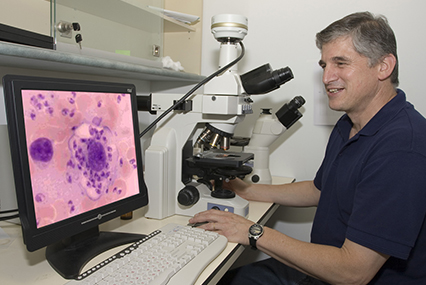
Gad Baneth
Pilar Vidueira
Place of Birth: Jerusalem, Israel
Department: Koret School of Veterinary Medicine
Faculty of Agriculture, Food and Environmental Quality Sciences
The Hebrew University of Jerusalem
P.O. Box 12, Rehovot 761001
Israel
1986
B.Sc. in Animal Sciences, Faculty of Agricultural, Food and Environmental Quality Sciences, Hebrew University.
1990
Doctor of Veterinary Medicine (DVM)
School of Veterinary Medicine, Hebrew University.
2000
Ph.D. Hebrew University.
1994-95
North Carolina State University, College of Veterinary Medicine. Raleigh, NC, USA.
1995
Clinical Lecturer
2000
Senior Clinical Lecturer
2006
Associate Professor
2012
Full Professor
2003-present
Member of the Kuvin Center for the Study of Infectious and Tropical Diseases. The Hebrew University Hadassah School of Medicine.
Diplomate of the European College of Veterinary Clinical Pathology (ECVCP, Specialist in Veterinary Clinical Pathology).
2015-present
Associate member, the European Veterinary Parasitology College (EVPC).
1997-2000
Head of the Small Animal Internal Medicine, KoretSchool of Veterinary Medicine. HebrewUniversity.
2000-2023
Member of the Curriculum Committee, Koret School of Veterinary Medicine.
2000-2008
Academic coordinator for the 2nd year class, Koret School of Veterinary Medicine.
2003-2007
Chairman, sub-committee for new candidates for academic positions. Koret School of Veterinary Medicine, Hebrew University.
2007-2010
Head of the joint Veterinary and Animal Sciences graduate studies Department.
2007-2015
Chairman, Academic Development Committee, Koret School of Veterinary Medicine, Hebrew University.
2015-2023
Director, Koret School of Veterinary Medicine.
2024-present
Head, Admissions committee, The Koret School of Veterinary Medicine.
Professor Baneth graduated from the Hebrew University Koret School of Veterinary Medicine in Israel in 1990. He did a Small Animal internship and residency at the Hebrew University until 1994 followed by a fellowship in Internal Medicine and Infectious Diseases Research at the College of Veterinary Medicine, North Carolina State University 1994 – 1995. He received a PhD in veterinary parasitology from the Hebrew University in 2000. Professor Baneth served as the head of the Small Animal Internal Medicine Department at the Hebrew University Veterinary Teaching Hospital. He was the Director of the Koret School of Veterinary Medicine, Hebrew University, Israel between 2015 and 2023. He is a diplomate of the European College of Veterinary Clinical Pathology (ECVCP), an associate member of the European Veterinary Parasitology College (EVPC) and an editorial advisory board member for the Journal Veterinary Parasitology since 2006. He was the vice president of the LeishVet group for standardization of the diagnosis, treatment and prevention of canine leishmanioasis until 2023 and a member of Board of Directors, Israel Society for Parasitology, Protozoology and Tropical Diseases. He was the Chairman of the World Small Animal Veterinary Association (WSAVA) Scientific Advisory Committee. His research interests focus on the pathogenesis, diagnosis and treatment of veterinary and zoonotic vector-borne infectious diseases including leishmaniosis, relapsing fever borreliosis, canine ehrlichiosis, babesiosis, hepatozoonosis, trypanosomiasis and dirofilariasis. Prof. Baneth is involved in the study of zoonotic and veterinary diseases in the Mediterranean Basin, Uzbekistan, Ethiopia, and Southern Europe. He is the author of more than 380 scientific publications and book chapters. Prof. Baneth served as an advisor to the European Food Safety Authority (EFSA) on leishmaniosis.
2002-present
Member of the Scientific Council, Israel Veterinary Medicine Association.
2003
Organizer, Palestinian-Israeli workshop on “Leishmaniasis and GIS”, Sponsored by the USAID-CDR program.
2004-2008
Board Member, ESVIM (European Society for Veterinary Internal Medicine).
2004-present
Member, Board of Directors, Israel Society for Parasitology, Protozoology and Tropical Diseases (ISPPTD).
2006-present
Veterinary Parasitology – Member, Journal Editorial Advisory Board.
2006-present
Member and vice-president (2008) of LeishVet – European Organization of Academic Veterinarians for Standardization of Diagnosis, Therapy and Prevention of Canine Leishmaniosis.
2007-2013
Member, Board of Directors – International Society for Companion Animal Infectious Diseases (ISCAID).
2008-2014
Member, World Small Animal Veterinary Association (WSAVA) Scientific Advisory Committee (SAC).
2015-2019
Chairman, World Small Animal Veterinary Association (WSAVA) Scientific Advisory Committee (SAC).
2008
Scientific organizing committee – Workshop on “Human-Animal Interactions in the Circum Mediterranean Area: Interdisciplinary approach to Zoonotic Diseases”. 27-28 May 2008. Centre Recherche Francais de Jerusalem, Israel.
2009
Symposium Organizer – The LeishVet symposium on Canine Leishmaniosis. The WorldLeish 4 congress. 6 February 2009. Lucknow, India.
2011-2014
Head of Expert Advisory Group (EAG V) on Parasitic Zoonotic Pathogens. The European community FP7 Program Companion Animals Multisctorial, Interprofessional, and Interdisciplinary Strategic Think tank on Zoonoses (CALLISTO).
2012
Symposium Organizer – “Vectors and Vector Borne Diseases” The European Multicolloquium of Parasitology XI (EMOP XI) 26 July 2012. Cluj, Romania.
2013
Symposium Organizer – The LeishVet symposium on Canine Leishmaniosis. The WorldLeish 5 congress. May 14th 2013. Porto de Galinhas, Pernambuco, Brazil.
2013-2015
Head of Work Group (WG5) on “Rare and emerging vector-borne pathogens”. COST (European Cooperation in Science and Technology) action TD1303 European Network for Neglected Vectors and Vector-Borne Infections (EURNEGVEC).
2014-2015
Advisor to the European Food Safety Authority (EFSA) on leishmaniosis (The Leishmaniosis Mandate).
2014
Workshop organizer. The Israeli Palestinian Workshop on Tick-Borne Diseases and Leishmaniasis, April 6th, 2014. Biankini Beach, Dead Sea, Israel.
2014-2019
Member of COST (European Cooperation in Science and Technology) action TD1404 Network for Evaluation of One Health (NeOH).
2015-2017
Member of VectorNet, a European Food Safety Authority (EFSA) and European Center for Disease Control (ECDC) collaborative network on arthropod vectors of diseases in Europe. Invited member to the 2015 annual general meeting (VectorNet AGM).
2015-2018
Member of Leishmaniax, an Eastern Mediterranean and Middle East network focusing on One Health in Leishmaniasis. Organized and supported by the Bill and Melinda Gates Foundation and CORDS.
2015-present
Associate member, the European Veterinary Parasitology College (EVPC).
2015, 2017, 2018, 2019, 2022
Lecturer in the IV and V Parasitology Summer Courses (ParSCo) organized by the European Veterinary Parasitology College (EVPC). Basilicata, Italy.
2016-present
Founding member, Tropical Council for Companion Animal Parasites (TroCCAP).
2018
Symposium organizer, “Leishmaniasis in dogs and cats: Disease, hosts and reservoirs -The LeishVet symposium (sessions 1,2)”. International Congress of Parasitology (ICOPA) 2018, Daegu, Korea, August 23, 2018.
2023
Member, WAAVP Education, Training and Career Development Sub-Committee.
Baneth G, Mathew JS, Shkap V, Macintire DK, Barta JR, Ewing SA (2003). Canine hepatozoonosis: two disease syndromes caused by separate Hepatozoon species. Trends Parasitol. 19: 27-31.
Strauss-Ayali D, Jaffe CL, Burshtain O, Gonen L, Baneth G.(2004) Polymerase Chain reaction using noninvasively obtained samples, for the detection of Leishmania infantum DNA in dogs. J. Infect. Dis. 89: 1729-1733.
Harrus S, Baneth G (2005). Drivers for the emergence and reemergence of vector-borne protozoal and rickettsial organisms. Int. J. Parasitol. 35: 1309-1318.
Baneth G, Samish M, Shkap V. (2007). Life cycle of Hepatozoon canis (Apicomplexa: Adeleorina: Hepatozoidae) in the Tick Rhipicephalus sanguineus and Domestic dog (Canis familiaris). J. Parasitol. 93: 283-299.
Strauss-Ayali D, Baneth G, Jaffe CL. (2007). Splenic immune responses during canine visceral leishmaniasis. Vet. Res. 38: 547-564.
Baneth G, Koutinas AF, Solano-Gallego L, Bourdeau P, Ferrer L. (2008) Canine leishmaniosis- New Concepts and Insights on an Expanding Zoonosis – part one. Trends Parasitol. 24:324-330.
Solano-Gallego L, Koutinas A, Miró G, Cardoso L, PennisiMG, Ferrer L, BourdeauP, OlivaG, Baneth G. (2009). Directions for the diagnosis, clinical staging, treatment and prevention of canine leishmaniosis. Vet. Parasitol.165:
Henn JB, Chomel BB, Boulouis HJ, Kasten RW, Murray WL, Bar-Gal G, King R, Courreau JF, Baneth G. (2009).Bartonella rochalimea in Raccoons, Coyotes, and Red Foxes. Emerg. Infect. Dis. 15: 1984-1987.
Talmi-Frank D, Jaffe CL, Nasereddin A, Warburg A, King R, Svobodova M, Peleg, Baneth G. (2010). Leishmania tropica in Rock Hyraxes (Procavia capensis) in a Focus of Human Cutaneous Leishmaniasis. Am. J. Trop. Med. Hyg. 82: 814-818.
Talmi-Frank D, Nasereddin A, Schnur LF, Schönian G,Özensoy Töz S, Jaffe CL,Baneth G.(2010).Detection and Identification of Old World Leishmania by High Resolution Melt Analysis. PLoS Negl. Trop. Dis. 12;4(1):e581
Talmi-Frank D, Kedem N, King R, Kahila Bar-Gal G, Edery N, Jaffe CL, Baneth G. (2010) Leishmania tropica Infection in Golden Jackals (Canis aureus) and Red Foxes (Vulpes vulpes) in Israel. Emerg. Infect. Dis. 16: 1973-1975 Talmi-Frank D, Jaffe CL, Nasereddin A, Warburg A, King R, Svobodova M, Peleg O, and Baneth G. (2010). Leishmania tropica in Rock Hyraxes (Procavia capensis) in a Focus of Human Cutaneous Leishmaniasis. Am. J. Trop. Med. Hyg. 82: 814-818.
Otranto D, Dantas-Torres F, Weigl S,LatrofaMS, Stanneck D, DecaprariisD, CapelliG and Baneth G. (2011).Diagnosis of Hepatozoon canis in young dogs by cytology and PCR. Parasit. Vectors, 4: 55.
Kovalenko DA, Razakov SA, Ponirovsky EN, Warburg A, Nasyrova RM, Ponomareva VI, Fatullaeva AA, Nasereddin A, Klement E, Alam MZ, Schnur LF, Jaffe CL, Schönian G,and Baneth G. (2011). Canine leishmaniosis and its relationship to human visceral leishmaniasis in Eastern Uzbekistan. Parasit. Vectors, 4: 58.
Solano-Gallego L, and Baneth G. (2011). Babesiosis in dogs and cats- expanding parasitological and clinical spectra. Vet. Parasitol. 181: 48-60.
Baneth G. (2011) Perspectives on canine and feline hepatozoonosis. Vet. Parasitol. 181: 3-11.
Martinez-Subiela S,Strauss-Ayali D, Cerón JJ, and BanethG (2011). Acute phase protein response in experimental canine leishmaniosis. Vet. Parasitol. 180: 197-202.
Solano-Gallego L, MiróG, KoutinasA, Cardoso L, Pennisi MG, FerrerL, BourdeauP, OlivaG, and BanethG. (2011). LeishVet guidelines for the practical management of canine leishmaniosis. Parasit. Vectors.4: 86.
Talmi-Frank D, Jaffe CL, Nasereddin A, Baneth G (2012).Leishmania tropica experimental infection in the rat using luciferase-transfected parasites. Vet. Parasitol. 187: 57-62.
BerlinD, Nasereddin A, Azmi K, Ereqat S, Abdeen Z, Eyal O, Baneth G. (2012).Prevalence of Trypanosoma evansi in horses in Israel evaluated by serology and reverse dot blot. Res.Vet, Sci, 93: 1225-1230.
Dantas-Torres F, Solano-Gallego L, Baneth G, Ribeiro VM, de Paiva-Cavalcanti M, Otranto D. (2012). Canine leishmaniosis in the Old and New Worlds: unveiled similarities and differences. Trends Parasitol. 28: 531-538.
Rudoler N, Baneth G, Eyal O, van Straten M, Harrus S. (2012). Evaluation of an attenuated strain of Ehrlichia canis as a vaccine for canine monocytic ehrlichiosis. Vaccine. 31: 226– 233.
Yisaschar-Mekuzas Y, Jaffe C.L, Pastor J, Cardoso L, Baneth G. (2013). Identification of Babesia species infecting dogs using reverse line blot hybridization for six canine piroplasms, and evaluation of co-infection by other vector-borne pathogens. Vet. Parasitol. 191: 367– 373.
Eiras DF, Belén Craviotto M, Vezzanic D, Eyal O, Baneth G. (2013) First description of natural Ehrlichia canis and Anaplasma platys infections in dogs from Argentina. Comp Immunol Microbiol Infect Dis. 36: 169-173.
Cardoso L, Cortes HC, Reis A, Rodrigues P, Simões M, Lopes AP, Vila-Viçosa MJ, Talmi-Frank D, Eyal O, Solano-Gallego L, Baneth G. (2013) Prevalence of Babesia microti-like infection in red foxes (Vulpes vulpes) from Portugal. Vet. Parasitol. 196: 90– 95.
Kamani J, BanethG, MumcuogluKY, WaziriNE, EyalO, GuthmannY, Harrus S (2013). Molecular detection and characterization of tick-borne pathogens in dogs and ticks from Nigeria.PLoS Negl Trop Dis.7(3): e2108.
Baneth G, Sheiner A, Eyal, O, Hahn S, Beaufils JP, Anug Y, Talmi-Frank D (2013). Redescription of Hepatozoon felis (apicomplexa: hepatozoidae) based on phylogenetic analysis, tissue and blood form morphology, and possible transplacental transmission.Parasit Vectors. 6: 102.
Baneth G. (2013). Canine leishmaniasis: Bridging science, public health and politics. Vet J. 198: 9-10.
Martinez-Subiela S, Cerón JJ, Strauss-Ayali D, Garcia-Martinez JD, Tecles F, Tvarijonaviciute A, Caldin M, Baneth G (2014). Serum ferritin and paraoxonase-1 in canine leishmaniosis. Comp Immunol Microbiol Infect Dis. 37: 23-29.
Rojas A, Rojas D, Montenegro V, Gutiérrez R, Yasur D, Baneth G (2014). Vector-borne pathogens in dogs from Costa Rica: first molecular description of Babesia vogeli and Hepatozoon canis infections with a high prevalence of monocytic ehrlichiosis and the manifestations of co-infection. Vet. Parasitol. 199: 121-128.
Gebrekidan H, Hailu A, Kassahun A, Rohoušová I , Maia C, Talmi-Frank D, Warburg A, Baneth G (2014). Theileria infection in domestic ruminants in Northern Ethiopia. Vet. Parasitol. 200: 31-38.
Baneth G, Zivotofsky D, Nachum-Biala Y, Yasur-Landau D, Botero AM (2014) Mucocutaneous Leishmania tropica infection in a dog from a human cutaneous leishmaniasis focus.Parasit. Vectors 7: 118.
Baneth G (2014). Tick-borne infections of animals and humans: a common ground. Int J Parasitol. 44: 591–596.
143. Eiras DF, Craviotto MB, Baneth G, Moré G (2014). First report of Rangelia vitalii infection (canine rangeliosis) in Argentina. Parasitol Int. 63: 729-734.
Baneth G, Harrus S, Gal A, Aroch I(2015). Canine vector-borne co-infections: Ehrlichia canis and Hepatozoon canis in the same host monocytes. Vet Parasitol. 208: 30-34.
Cardoso L, Gilad M, Cortes HCE, Nachum-Biala Y, Lopes AP, Vila-Viçosa MJ, Simões M, Rodrigues PA, Baneth G. (2015). First report of Anaplasma platys infection in red foxes (Vulpes vulpes) and molecular detection of Ehrlichia canis and Leishmania infantum in foxes from Portugal. Parasit Vectors. 8(1):144.
Rojas A, Rojas D, Montenegro VM, Baneth G. (2015). Detection of Dirofilaria immitis and other arthropod-borne filarioids by an HRM real-time qPCR,blood-concentrating techniques and a serological assay in dogs from Costa Rica.Parasit Vectors. 8(1):170.
Rudoler N, Harrus S, Martinez-Subiela S, Tvarijonaviciute A, van Straten M, Cerón JJ, Baneth G. (2015). Comparison of the acute phase protein and antioxidant responses in dogs vaccinated against canine monocytic ehrlichiosis and naive-challenged dogs. Parasit Vectors. 8(1):175.
Baneth G, Florin-Christensen M, Cardoso L, Schnittger L. (2015).Reclassification of Theileria annae as Babesia vulpes sp. nov. Parasit Vectors. 8(1):207.
Pennisi MG, Cardoso L, Baneth G, Bourdeau P, Koutinas A, Miró G, Oliva G, Solano-Gallego L. (2015). Leishvet update and recommendations on feline leishmaniosis. Parasit Vectors. 8(1):302.
Rohousova I, Talmi-Frank D, Kostalova T, Polanska N, Lestinova T, Kassahun A, Yasur-Landau D, Maia C, King R, Votypka J, Jaffe CL, Warburg A, Hailu A, Volf P, Baneth G. (2015). Exposure to Leishmania spp. and sand flies in domestic animals in northwestern Ethiopia. Parasit Vectors. 8(1):360.
Baneth G, Thamsborg SM, Otranto D, Guillot J, Blaga R, Deplazes P, Solano-Gallego L. (2016). Major Parasitic Zoonoses Associated with Dogs and Cats in Europe. J Comp Pathol. 155: S54-S74.
Yasur-Landau D, Jaffe CL, David L, Baneth G. (2016). Allopurinol Resistance in Leishmania infantum from Dogs with Disease Relapse. PLoS Negl Trop Dis. 2016 10(1):e0004341.
Baneth G, Nachum-Biala Y, Shabat Simon M, Brenner O, Gaier S, Rojas A, Yasur-Landau D. (2016). Leishmania major infection in a dog with cutaneous manifestations. Parasit Vectors. 9:246.
Dumitrache MO, Nachum-Biala Y, Gilad M, Mircean V, Cazan CD, Mihalca AD, Baneth G. (2016). The quest for canine leishmaniasis in Romania: the presence of an autochthonous focus with subclinical infections in an area where disease occurred. Parasit Vectors. 9:297
Martinez-Subiela S, Pardo-Marín L, Tecles F, Baneth G, Cerón JJ. (2016). Serum C-reactive protein and ferritin concentrations in dogs undergoing leishmaniosis treatment. Res Vet Sci. 109:17-20.
Svobodova V, Svoboda M, Friedlaenderova L, Drahotsky P, Bohacova E, Baneth G. (2017). Canine leishmaniosis in three consecutive generations of dogs in Czech Republic. Vet Parasitol. 237: 122–124.
Baneth G, Yasur-Landau D, Gilad M, Nachum-Biala Y. (2017). Canine leishmaniosis caused by Leishmania major and Leishmania tropica: comparative findings and serology. Parasit Vectors. 10(1):113.
Lemma W, Bizuneh A, Tekie H, Belay H Wondimu H, Kassahun A, Shiferaw W, Balkew M, Abassi I, Baneth G, Hailu A. (2017). Preliminary study on investigation of zoonotic visceral leishmaniasis in endemic foci of Ethiopia by detecting Leishmania infections in rodents. Asian Pac J Trop Med. 10(4):418-422.
Miró G, Petersen C, Cardoso L, Bourdeau P, Baneth G, Solano-Gallego L, Pennisi MG, Ferrer L, Oliva G. (2017). Novel Areas for Prevention and Control of Canine Leishmaniosis. Trends Parasitol. 33(9):718-730.
Otranto D, Dantas-Torres F, Mihalca AD, Traub RJ, Lappin M, Baneth G. (2017). Zoonotic Parasites of Sheltered and Stray Dogs in the Era of the Global Economic and Political Crisis. Trends Parasitol. 33(10):813-825.
Solano-Gallego L, Cardoso L, Pennisi MG, Petersen C, Bourdeau P, Oliva G, Miró G, Ferrer L, Baneth G. (2017). Diagnostic Challenges in the Era of Canine Leishmania infantum Vaccines. Trends Parasitol. 33(9):706-717.
Yasur-Landau D, Jaffe CL, Doron-Faigenboim A, David L, Baneth G. (2017). Induction of allopurinol resistance in Leishmania infantum isolated from dogs. PLoS Negl Trop Dis. 11(9):e0005910.
Attipa C, Neofytou K, Yiapanis C, Martínez-Orellana P, Baneth G, Nachum-Biala Y, Brooks-Brownlie H, Solano-Gallego L, Tasker S (2017). Follow-up monitoring in a cat with leishmaniosis and coinfections with Hepatozoon felis and ‘Candidatus Mycoplasma haemominutum’. JFMS Open Rep. 3(2):2055116917740454.
Martínez-Orellana P, Marí-Martorell D, Montserrat-Sangrà S, Ordeix L, Baneth G, Solano-Gallego L (2017). Leishmania infantum-specific IFN-γ production in stimulated blood from dogs with clinical leishmaniosis at diagnosis and during treatment. Vet Parasitol. 248: 39-47.
Aroch I, Ofri R, Baneth G. Concurrent Epistaxis, Retinal Bleeding and Hypercoagulability in a dog with visceral Leishmaniosis (2017). Israel J. Vet. Med. 72(4): 39-48.
Rohoušová I, Talmi-Frank D, Vlková M, Spitzová T, Rishpon K, Jaffe CL, Volf P, Baneth G, Efrat M. (2018). Serological Evaluation of Cutaneous Leishmania tropica Infection in Northern Israel. Am J Trop Med Hyg. 98:139-141.
Baxarias M, Álvarez-Fernández A, Martínez-Orellana P, Montserrat-Sangrà S, Ordeix L, Rojas A, Nachum-Biala Y, Baneth G, Solano-Gallego L. (2018). Does co-infection with vector-borne pathogens play a role in clinical canine leishmaniosis? Parasit Vectors. 11(1):135.
Baneth G, Segev G, Mazaki-Tovi M, Chen H, Kuzi S. (2018). Renal dialysis and long-term treatment of a dog with kidney disease associated with canine leishmaniosis. Parasit Vectors. 11(1):151.
Rivas AK, Alcover M, Martínez-Orellana P, Montserrat-Sangrà S, Nachum-Biala Y, Bardagí M, Fisa R, Riera C, Baneth G, Solano-Gallego L. (2018). Clinical and diagnostic aspects of feline cutaneous leishmaniosis in Venezuela. Parasit Vectors. 11(1):141.
Ceron JJ, Pardo-Marin L, Caldin M, Furlanello T, Solano-Gallego L, Tecles F, Bernal L, Baneth G, Martinez-Subiela S. (2018). Use of acute phase proteins for the clinical assessment and management of canine leishmaniosis: general recommendations. BMC Vet Res. 14(1):196.
Yasur-Landau D, Jaffe CL, David L, Doron-Faigenboim A, Baneth G. (2018). Resistance of Leishmania infantum to allopurinol is associated with chromosome and gene copy number variations including decrease in the S-adenosylmethionine synthetase (METK) gene copy number. Int J Parasitol Drugs Drug Resist. 8(3):403-410.
Colella V, Hodžić A, Iatta R, Baneth G, Alić A, Otranto D. (2019). Zoonotic Leishmaniasis, Bosnia and Herzegovina. Emerg Infect Dis. Feb 17;25(2).
Sima M, Ferencova B, Bhattacharyya T, Miles MA, Litvinov SV, Hailu A, Baneth G, Volf P. (2019). Synthetic peptides as a novel approach for detecting antibodies against sand fly saliva. PLoS Negl Trop Dis. 13(1):e0007078.
Baxarias M, Martínez-Orellana P, Baneth G, Solano-Gallego L. (2019). Immunotherapy in clinical canine leishmaniosis: a comparative update. Res Vet Sci. 25:218-226.
Dantas-Torres F, Miró G, Baneth G, Bourdeau P, Breitschwerdt E, Capelli G, Cardoso L, Day MJ, Dobler G, Ferrer L, Irwin P, Jongejan F, Kempf VAJ, Kohn B, Lappin M, Little S, Madder M, Maggi R, Maia C, Marcondes M, Naucke T, Oliva G, Pennisi MG, Penzhorn BL, Peregrine A, Pfeffer M, Roura X, Sainz A, Shin S, Solano-Gallego L, Straubinger RK, Tasker S, Traub R, Wright I, Bowman DD, Gradoni L, Otranto D. (2019). Canine Leishmaniasis Control in the Context of One Health. Emerg Infect Dis. 25(12):1-4.
Pardo-Marin L, Ceron JJ, Tecles F, Baneth G, Martínez-Subiela S. (2020). Comparison of acute phase proteins in different clinical classification systems for canine leishmaniosis. Vet Immunol Immunopathol. 219:109958.
Rivas AK, M. Alcover M, Martínez-Orellana P, Montserrat-Sangrà S, Nachum-Biala Y, Fisa R, Riera C, Baneth G, Solano-Gallego L. (2020). Serological and molecular survey of Leishmania infection in dogs from Venezuela, Vet Parasitol Reg Stud Reports. 21, 100420.
Iatta R, Trerotoli P, Lucchese L, Natale A, Buonavoglia C, Nachum-Biala Y, Baneth G, Otranto D. (2020). Validation of a new immunofluorescence antibody test for the detection of Leishmania infantum infection in cats. Parasitol Res. 119(4):1381-1386.
Dantas-Torres F, Dos Santos Nogueira F, Menz I, Tabanez P, da Silva SM, Ribeiro VM, Miró G, Cardoso L, Petersen C, Baneth G, Oliva G, Solano-Gallego L, Ferrer L, Pennisi MG, Bourdeau P, Maia C, Otranto D, Gradoni L, Courtenay O, Costa CHN. (2020). Vaccination against canine leishmaniasis in brazil. Int J Parasitol. 50: 171-176.
Baneth G, Nachum-Biala Y, Zuberi A, Zipori-Barki N, Orshan L, Kleinerman G, Shmueli-Goldin A, Bellaiche M, Leszkowicz-Mazuz M, Salant H, Yasur-Landau D. (2020). Leishmania infection in cats and dogs housed together in an animal shelter reveals a higher parasite load in infected dogs despite a greater seroprevalence among cats. Parasit Vectors. 13(1):115.
Dantas-Torres F, Ketzis J, Mihalca AD, Baneth G, Otranto D, Tort GP, Watanabe M, Linh BK, Inpankaew T, Jimenez Castro PD, Borrás P, Arumugam S, Penzhorn BL, Ybañez AP, Irwin P, Traub RJ. (2020). TroCCAP recommendations for the diagnosis, prevention and treatment of parasitic infections in dogs and cats in the tropics. Vet Parasitol. 283:109167.
Berriatua E, Maia C, Conceição C, Özbel Y, Töz S, Baneth G, Pérez-Cutillas P, Ortuño M, Muñoz C, Jumakanova Z, Pereira A, Rocha R, Monge-Maillo B, Gasimov E, Van der Stede Y, Torres G, Gossner CM. (2021). Leishmaniases in the European Union and Neighboring Countries. Emerg Infect Dis. 27(6). doi: 10.3201/eid2706.210239.
Salant H, Nachum-Biala Y, Feinmesser B, Perelmutter M, Baneth G. (2021). Early onset of clinical leishmaniosis in a litter of pups with evidence of in utero transmission. Parasit Vectors. 14(1):326. doi: 10.1186/s13071-021-04824-0.
Ortuño M, Nachum-Biala Y, García-Bocanegra I, Resa M, Berriatua E, Baneth G. (2021). An epidemiological study in wild carnivores from Spanish Mediterranean ecosystems reveals association between Leishmania infantum, Babesia spp. and Hepatozoon spp. infection and new hosts for Hepatozoon martis, Hepatozoon canis and Sarcocystis spp. Transbound Emerg Dis. 2021. doi: 10.1111/tbed.14199. Epub ahead of print. PMID: 34173720.
Baneth G, Nachum-Biala Y, Adamsky O, Gunther I. (2022). Leishmania tropica and Leishmania infantum infection in dogs and cats in central Israel. Parasit Vectors. 15(1):147.
Özbel Y, Töz S, Muñoz C, Ortuño M, Jumakanova Z, Pérez-Cutillas P, Maia C, Conceição C, Baneth G, Pereira A, Van der Stede Y, Gossner CM, Berriatua E. (2022). The current epidemiology of leishmaniasis in Turkey, Azerbaijan and Georgia and implications for disease emergence in European countries. Zoonoses Public Health. 69(5):395-407.
Sandy J, Matthews A, Nachum-Biala Y, Baneth G. (2022) First Report of Autochthonous Canine Leishmaniasis in Hong Kong. Microorganisms. 10(9):1873.
Ortuño M, Bernal A, Nachum-Biala Y, Muñoz C, Risueño J, Ortiz J, Baneth G, Berriatua E. (2023). Clinical, diagnostic and epidemiological implications of Hepatozoon spp., Babesia spp. and Leishmania infantum infection in cats and dogs in a Mediterranean periurban setting. Parasitol Res. 2023 Jan;122(1):35-47.
Studentsky L, Orshan L, Akad F, Ben Avi I, Diaz D, Elbaz S, Sagi O, Zagron G, Valinsky L, Davidovich-Cohen M, Baneth G. (2023). Leishmania donovani transmission cycle associated with human infection, Phlebotomus alexandri sand flies, and hare blood meals, Israel. Emerg Infect Dis. 29(5):945-955.
Kleinerman G, Melloul S, Chaim L, Mergy SE, Kaufman RG, Dagan N, Nachum-Biala Y, Kitaichik S, Gross S, Astman N, Baneth G. (2023). Detection of Leishmania major and Leishmania infantum in cats during an outbreak of cutaneous leishmaniosis in Southern Israel. Comp Immunol Microbiol Infect Dis. 98:102006.
Maia C, Conceição C, Pereira A, Rocha R, Ortuño M, Muñoz C, Jumakanova Z, Pérez-Cutillas P, Özbel Y, Töz S, Baneth G, Monge-Maillo B, Gasimov E, Van der Stede Y, Torres G, Gossner CM, Berriatua E. (2023). The estimated distribution of autochthonous leishmaniasis by Leishmania infantum in Europe in 2005-2020. PLoS Negl Trop Dis. 17(7):e0011497
Iatta R, Carbonara M, Morea A, Trerotoli P, Benelli G, Nachum-Biala Y, Mendoza-Roldan JA, Cavalera MA, Baneth G, Bandi C, Zatelli A, Otranto D. (2023). Assessment of the diagnostic performance of serological tests in areas where Leishmania infantum and Leishmania tarentolae occur in sympatry. Parasit Vectors. 16(1):352.
Carbonara M, Iatta R, Miró G, Montoya A, Benelli G, Mendoza-Roldan JA, Papadopoulos E, Lima C, Bouhsira E, Nachum-Biala Y, Decaro N, Schunack B, Baneth G, Otranto D. (2024). Feline leishmaniosis in the Mediterranean Basin: a multicenter study. Parasit Vectors. 17(1):346.
Schäfer I, Faucher M, Nachum-Biala Y, Ferrer L, Carrasco M, Kehl A, Müller E, Naucke TJ, Baneth G. (2024). Evidence for in vivo resistance against allopurinol in a dog infected with Leishmania infantum by reduction in copy numbers of the S-adenosylmethionine synthetase (METK) gene. Parasit Vectors. 16;17(1):506.
Mahachi KG, Ozanne M, Bourdeau P, Sarquis J, Kontowicz E, Solano-Gallego L, Cardoso L, Oliva G, Baneth G, Pennisi MG, Toepp AM, Miró G, Carrel M, Petersen CA. (2024). Comparison of ELISA and IFAT for Leishmania infantum by European and Middle Eastern diagnostic laboratories. Parasit Vectors.;17(1):545.
Baneth G, Peri Markovich M, Nachum-Biala Y, Yasur-Landau D, Leszkowicz Mazuz M, Jaffe CL. (2025). Retrospective study of canine leishmaniosis in Israel. Parasit Vectors. 18(1):257. doi: 10.1186/s13071-025-06862-4. PMID: 40615842.
Saridomichelakis MN, Baneth G, Colombo S, Dantas-Torres F, Ferrer L, Fondati A, Miró G, Ordeix L, Otranto D, Noli C. (2025). World Association for Veterinary Dermatology Consensus Statement for Diagnosis, and Evidence-Based Clinical Practice Guidelines for Treatment and Prevention of Canine Leishmaniosis. Vet Dermatol. 2025 Jul 31. doi: 10.1111/vde.70006.
Krämer F, Baneth G, Dantas-Torres F, Hamer S, Lappin MR, Otranto D, Roura X, Sager H, Schunack B, Scorza V, Traub R, Geary TG. (2025). Resistance of companion animal parasites to antiparasitic drugs. Adv Parasitol. 128:35-157. doi: 10.1016/bs.apar.2025.07.002.
Studentsky L, Akad F, Diaz D, Ben Avi I, Elbaz SL, Grossman T, Davidovich-Cohen M, Kirstein OD, Orshan L, Baneth G. (2025). A multifaceted molecular approach to surveillance of leishmaniasis: Identification of sand fly species, Leishmania parasites, and blood meal sources using high-resolution melting analysis. PLoS Negl Trop Dis.;19(9):e0013412. doi: 10.1371/journal.pntd.0013412.


Patrick Jacques Bourdeau
Pilar Vidueira
DVM, PhD, Dip ECVD, Dip EVPC
Place of Birth: Paris, France
Recent Position:Full Professor
Head of Unit and Clinics of Parasitology /Dermatology /Mycology
Department of Clinical Sciences
School of Veterinary Medicine – ONIRIS : University of Nantes
Atlanpole – La Chantrerie BP 40706 – 44307 NANTES Cedex 03 – France
Current Position: Recently retired (Dec. 2020) – Private consulting activity
1978 Doctor of Veterinary Medicine (DVM)(Laureate)
Veterinary School of Maisons-Alfort. University Creteil France
1979 Certified in Human and Veterinary Parasitology – Creteil
1988 PhD. Orsay University. (Zoology/Ecotoxicology)
1989 National Agregation : Veterinary Parasitology, Mycology and Applied Zoology
1990 Certified in Mycology : Pasteur Institute – Paris
1993 Diplomate or European college of Veterinary Dermatology
2004 Diplomate of European Veterinary College of Parasitology
1978 – 1990 Assistant then Associate Professor of Parasitology in Maisons Alfort France
1990 – 2002 Full Professor of Parasitology Veterinary School of Nantes France
2002 – 2020 Head of Unit of Clinical Parasitology/Dermatology/Mycology
1989 – 1998 Responsible of specialized dermatology clinics in Veterinary school Maisons-Alfort
2000 – 2020 Head of Laboratory of analysis in Parasitology/Mycology Veterinary school of Nantes (founding member of Laboniris)
1990 – 2020 Head of clinics in veterinary dermatology (Veterinary school Hospital)
(Companion animals, Exotics, equine, Large animals)
1992 – 1994 Coordinator of clinics of Veterinary School of Nantes
1990 – 2000 Head of clinics and training in veterinary Dermatology
1990 – 2014 Co coordinator then coordinator of the French certificate (CES) of Veterinary Dermatology
2000 – 2020 Director of the residency program (formalized) in veterinary Dermatology
2003 – 2020 Director of the National Diploma of specialization (DESV) in Veterinary Dermatology
1990 – 2018 Responsible of Zoo, Laboratory and exotics animals clinics and training
1985 – 2019 Lecturer in diploma in animal experimentation in Maisons-Alfort
1994 – 2020 Lecturer in training on animal experimentation in Veterinary school of Nantes
1983 – 2021 Lecturer in course on Venomous Animals (section arthropods and section marine fauna) National Museum of Natural History – Paris
Prof. Dr Patrick Bourdeau graduated in Maisons-Alfort / France. He was assistant then associate professor in the Parasitology Service in Maisons-Alfort before to move to Veterinary school of Nantes in 1990. He passed the Agregation in Veterinary Parasitology. His is also Certified in Human and Veterinary Parasitology, Medical Mycology from Pasteur Institute ; Paris and Doctor in Zoology/Ecotoxicology (PhD). He became one of the first Diplomates of the European College of Veterinary Dermatology in 1993 and initiated the concept of the European College of Veterinary Parasitology in 1998 (finalized 2003). He was temporarily a board member in these two colleges.
Until December 2020 he was Professor of Dermatology and Parasitology in Veterinary School of Nantes (now a part of Oniris) and, since 2000, head of the corresponding Unit for the Dermatology, Parasitology, Mycology including the clinics and included in the department of Clinical Sciences. He developed also a laboratory of diagnosis on these domains and particularly Veterinary Mycology. He developed the first course in Dermatology and clinics dedicated to Veterinary Dermatology in Veterinary School of Maisons-Alfort in 1989, where he maintained this activity until 1998, and simultaneously developed this domain in the Veterinary School of Nantes since 1991. He participated then was the coordinator of the French certificate of dermatology and managed the National diploma of specialization.
Dr. Bourdeau participated to multiple international congresses in the fields of Veterinary Dermatology, Parasitology and Mycology and was invited as lecturer in World and International congresses and workshops in these domains as well. He is one of the founding members of the Leishvet Group.
Dr Bourdeau is author or co-author of over 200 publications (research, review, education) or book chapters and over than 400 short communications or lectures to international congresses or workshops. His interest is particularly developed in (Ecto)parasites (fleas, ticks, mites and new pathogens) and relationship with allergy or skin interface, internal parasites of companion animals and horses, and vectorial or zoonotic parasitic or fungal infections. He developed his interested in Canine Leishmaniosis (epidemiology, clinics, diagnosis and therapy) since 1983.
Dr Bourdeau also developed other domains related to the qualification in applied zoology. The first one was the development of training and clinics for Zoo, Laboratory and exotic animals and the second was, for a long period in parallel to his primary occupation, research in marine biology.
1980 – present Member of the French society of Parasitology
1980 – present Member of the French society of Mycology
1987 – present Full member of the American Association for Veterinary Dermatology
1992 – 2008 Member of the French society of Herpetology
1992 – 1993 Expert to the European Union (fish resources)
1993 – present Full member of European society of Veterinary Dermatology
1995 – present Member of European confederation of Medical Mycology (ECMM)
1997 and 2004 Organizer, of Workshops of ECVD-ESVD (clinical pathology)
1997 – present Member of the World Association for the advancement of Veterinary Parasitology
1998 – 2000 Member of the board of ECVD
2004 – 2015 Member of Natural Sciences Society of West of France
2004 – 2008 Member of International Society of Toxicology
2005 – present Member of the CVBD group
2011 – 2013 (2018-2020) National representative of European colleges at EBVS
2013 – 2015 Member of the Board of European Veterinary Parasitology College
2014 – 2015 Expert to the European Food Safety Authority (EFSA) on Leishmaniosis
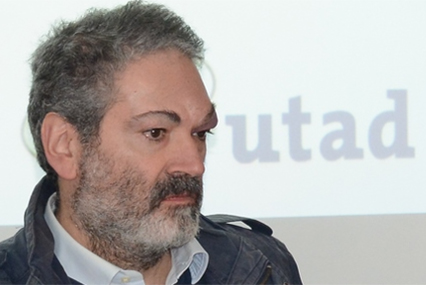
Luis Cardoso
Pilar Vidueira
Place of Birth: Bombarral, Portugal
Institution: Department of Veterinary Sciences
School of Agrarian and Veterinary Sciences
University of Trás-os-Montes e Alto Douro (UTAD)
5000-801 Vila Real, Portugal
1992
Degree in Veterinary Medicine (DVM), Faculty of Veterinary Medicine, Technical University of Lisbon (FVM-TUL), Portugal
1998
Master of Science in Tropical Veterinary Medicine and Animal Husbandry (MSc), FMV-TUL, Portugal
2004
Doctorate in Veterinary Sciences (PhD), UTAD, Vila Real, Portugal
2017
Habilitation in Veterinary Sciences, UTAD, Vila Real, Portugal
2023
Full professor
2014-2017
Chairperson of the Biosafety Commission, UTAD
2014-2019
Deputy director, Veterinary Teaching Hospital, UTAD
2017-2021
Director of the PhD programme in Veterinary Sciences, School of Agrarian and Veterinary Sciences, UTAD
2021−2025
Elected member of the Scientific Council, School of Agrarian and Veterinary Sciences, UTAD
2023−present
Member of the Committee for the Prevention and Control of Harassment, UTAD
1992-present
Member, Portuguese Board of Veterinarians
2005−present
Diplomate, European Veterinary Parasitology College (EVPC); 2015 Elected Board member; 2018 and 2021 Elected treasurer; 2024 Elected Board member
2005−present
European veterinary specialist in Parasitology, European Board of Veterinary Specialisation (EBVS)
2006−present
Founding member, LeishVet; 2008 Appointed treasurer, 2023 Appointed secretary
2007−present
Member, World Association for the Advancement of Veterinary Parasitology (WAAVP)
2009−present
Invited member, Companion Vector-Borne Diseases (CVBD) World Forum
2012−present
Board member, European Scientific Council Companion Animal Parasites, Portugal (ESCCAP Portugal)
Costa J, Silva A, Sampaio F, Alves A, Silva H; de Carvalho H, Sousa C; Simões M, Fernandes C, Lopes A, Garcês A, Duarte E, Coelho A, Cardoso L, Lopes R (2025). When precision matters: bone marrow cytology meets qPCR in a pilot study quantifying Leishmania infantum load in dogs. Microorganisms 13: 2211.
Lima CM, Bourquia M, Zahri A, Haissen N, Santarém N, Cardoso L, Cordeiro da Silva A (2024). Veterinary perspectives on the urbanization of leishmaniosis in Morocco. Parasites & Vectors 17: 348.
Lopes R, Garcês A, Silva A, Brilhante-Simões P, Martins Â, Duarte EL, Coelho AC, Cardoso L (2024). Distribution of and relationships between epidemiological and clinicopathological parameters in canine leishmaniosis: a retrospective study of 15 Years (2009−2023). Pathogens 13: 635.
Afonso P, Coelho AC, Quintas H, Cardoso L (2023). Leishmania seroprevalence in dogs: comparing shelter and domestic communities. Animals 13: 2352.
Santarém N, Cardoso L, Cordeiro-da-Silva A (2023). Advances in Leishmania research: from basic parasite biology to disease control. Microorganisms 11: 696.
Lima CM, Santarém N, Neves NC, Sarmento P, Carrapato C, de Sousa R, Cardoso L, Cordeiro-da-Silva A (2022). Serological and molecular survey of Leishmania infantum in a population of Iberian lynxes (Lynx pardinus). Microorganisms 10: 2447.
Monteiro M, Prata S, Cardoso L, Pereira da Fonseca I, Leal RO (2021). Diagnosis and clinical management of canine leishmaniosis by general veterinary practitioners: a questionnaire-based survey in Portugal. Parasites & Vectors 14: 306.
Cardoso L, Schallig H, Persichetti MF, Pennisi MG (2021). New epidemiological aspects of animal leishmaniosis in Europe: the role of vertebrate hosts other than dogs. Pathogens 10: 307.
Gazzonis AL, Bertero F, Moretta I, Morganti G, Mortarino M, Villa L, Zanzani SA, Morandi B, Rinnovati R, Vitale F, Manfredi MT, Cardoso L, Veronesi F (2020). Detecting antibodies to Leishmania infantum in horses from areas with different epizooticity levels of canine leishmaniosis and a retrospective revision of Italian data. Parasites & Vectors 13: 530.
Neves M, Lopes AP, Martins C, Fino R, Paixão C, Damil L, Lima C, Alho AM, Schallig HDFH, Dubey JP, Cardoso L (2020). Survey of Dirofilaria immitis antigen and antibodies to Leishmania infantum and Toxoplasma gondii in cats from Madeira Island, Portugal. Parasites & Vectors 13: 117.
Dantas-Torres F, Nogueira FDS, Menz I, Tabanez P, da Silva SM, Ribeiro VM, Miró G, Cardoso L, Petersen C, Baneth G, Oliva G, Solano-Gallego L, Ferrer L, Pennisi MG, Bourdeau P, Maia C, Otranto D, Gradoni L, Courtenay O, Costa CHN (2020). Vaccination against canine leishmaniasis in Brazil. International Journal for Parasitology 50: 171−176.
Dantas-Torres F, Miró G, Baneth G, Bourdeau P, Breitschwerdt E, Capelli G, Cardoso L, Day MJ, Dobler G, Ferrer L, Irwin P, Jongejan F, Kempf VAJ, Kohn B, Lappin M, Little S, Madder M, Maggi R, Maia C, Marcondes M, Naucke T, Oliva G, Pennisi MG, Penzhorn BL, Peregrine A, Pfeffer M, Roura X, Sainz A, Shin S, Solano-Gallego L, Straubinger RK, Tasker S, Traub R, Wright I, Bowman DD, Gradoni L, Otranto D (2019). Canine leishmaniasis control in the context of One Health. Emerging Infectious Diseases 25: 1−4.
Pires H, Martins M, Matos AC, Cardoso L, Monteiro F, Roque N, Nunes T, Gottstein B, Cortes H (2019). Geospatial analysis applied to seroepidemiological survey of canine leishmaniosis in east-central Portugal. Veterinary Parasitology 274: 108930.
Lima C, Colella V, Latrofa MS, Cardoso L, Otranto D, Alho AM (2019). Molecular detection of Leishmania spp. in dogs and a cat from Doha, Qatar. Parasites & Vectors 12: 125.
Rodrigues FT, Pereira C, Dubey JP, Nóvoa M, Quaresma M, Schallig H, Cardoso L, Lopes AP (2019). Seroprevalence of Toxoplasma gondii and Leishmania spp. in domestic donkeys from Portugal. Revista Brasileira de Parasitologia Veterinária 28: 172−176.
Solano-Gallego L, Cardoso L, Pennisi MG, Petersen C, Bourdeau P, Oliva G, Miró G, Ferrer L, Baneth G (2017). Diagnostic challenges in the era of canine Leishmania infantum vaccines. Trends in Parasitology 33: 706−717.
Miró G, Petersen C, Cardoso L, Bourdeau P, Baneth G, Solano-Gallego L, Pennisi MG, Ferrer L, Oliva G (2017). Novel areas for prevention and control of canine leishmaniosis. Trends in Parasitology 33: 718−730.
Albuquerque A, Campino L, Cardoso L, Cortes S (2017). Evaluation of four molecular methods to detect Leishmania infection in dogs. Parasites & Vectors 10: 57.
Pimenta P, Alves-Pimenta S, Barros J, Barbosa P, Rodrigues A, Pereira MJ, Maltez L, Gama A, Cristóvão JM, Campino L, Maia C, Cardoso L (2016). Feline leishmaniosis in Portugal: 3 cases (year 2014). Veterinary Parasitology Regional Studies and Reports 1−2: 65−69.
Pennisi MG, Cardoso L, Baneth G, Bourdeau P, Koutinas A, Miró G, Oliva G, Solano-Gallego L (2015). LeishVet update and recommendations on feline leishmaniosis. Parasites & Vectors 8: 302.

Lluís Ferrer
Pilar Vidueira
Place of Birth: Palma de Mallorca, Spain
Department: Professor of Veterinary Dermatology
Department of Clinical Sciences
Tufts Cummings School of Veterinary Medicine
1995
Diplomate European College of Veterinary Dermatology (ECVD) – most recent accreditation as active Diplomate: 2008.
1985
PhD – Doctor en Veterinaria, University of Zaragoza, Spain.
Thesis: Patogenia de la linfofporliferación de los ratones MRL”
Director: Prof. Gerhard Trautwein.
1983
Master Degree in Animal Pathology. Dr. Med Vet. Veterinary School of Hannover, Germany.
1981
Veterinary Graduate. Veterinary Faculty of Zaragoza (Spain)
Award to the best graduating student (1981)
Award to the best Spanish Veterinary Student (1981).
1981-1984
Postgraduate Researcher at the Veterinary School of Hannover, Germany (Institut für Pathologie).
1984-1992
Associate Professor of Pathology and Dermatology at the Veterinary Faculty at the UAB.
1992-2012
Professor of Dermatology, Department of Animal Medicine and Surgery, Veterinary Faculty, UAB.
2012-
Professor of Veterinary Dermatology, Department of Clinical Sciences, Tufts Cummings School of Veterinary Medicine.
July – August 1985
Cornell Veterinary School, (Prof. D. Scott).
May – Sept. 1987
Veterinary Faculty of Utrecht, The Netherlands (Prof. T. Willemse, Prof. J. Koeman).
May – August 1992
Ontario Veterinary College, Guelph, Canada (Prof. J. Yager).
August 2009 – August 2010
Faculté de Médicine Vétérinaire, Université de Montréal, Québec (Prof. M. Paradis).
Three main research lines in the last 20 years:
i) Understanding canine leishmaniosis. From the different investigations done a new disease model was proposed and now is considered the valid paradigm for this important zoonosis. The latest investigations are focused on the relationship between genetic and infection progression in this disease.
ii) Molecular pathogenesis of mucinosis of chinese shar peis. Mucinosis (hyaluronosis) of chinese shar peis is an extraordinary model to understand how genomic Copy Number Variation can cause systemic disease and systemic effects of HA dysregulation. The investigations done in the last 5 years demonstrated that cutaneous mucinosis in this breed is consequence of a CNV upstream the HAS2 gen.
iii) Deconstructing canine demodicosis. The working hypothesis is that canine demodicosis is an example of an abnormal function of innate skin immunity (TLRs and other components of innate immunity).
Ferrer L. Canine leishmaniasis. Clinicians Brief. April 2013.
Ravera I, Altet L, Francino O, Sanchez A, Roldan W, Villanueva S, Bardagi M, Ferrer L. Small Demodex populations colonize most parts of the skin of healthy dogs. Veterinary Dermatology DOI 10.1111/j.1365-3164.2012.01099.x (2013).
Sastre N, Ravera I, Villanueva S, Altet L, Bardagí M, Sánchez A, Francino O, Ferrer L. Phylogenetic relationships in three species of canine Demodex mite based on partial sequences of mitochondrial 16S rDNA. Veterinary Dermatology 2012 Dec;23(6):509-e101. doi: 10.1111/vde.12001.
Quílez J, Martínez V, Sánchez A, Woolliams J, Pong-Wong R, Kennedy L, Quinnell R, Ollier W, Roura X, Ferrer L, Altet L, Francino O. Genetic Predisposition to Clinical Progression of Leishmaniosis from Infection Using High-Density SNP Arrays and the Dog as Animal Model. PLoSOne, 2012;7(4):e35349. doi: 10.1371/journal.pone.0035349. Epub 2012 Apr 25.
Mueller R, Bensignor E, Ferrer L, Holm B, Lemarie S, Paradis M, Shipstone MA. Treatment of demodicosis in dogs: 2011 clinical practice guidelines. Veterinary Dermatology 2012 [Epub ahead of print].
Zanna G, Fondevila D., Ferrer L, Espada Y. Evalutaion of ultrasonography for measurement of skin thickness in Shar-Peis. American Journal of Veterinary Research 73, 220-6 (2012).
Docampo MJ, Zanna G, Fondevila D, Cabrera J, López-Iglesias C, Carvalho A, Cerrato S, Ferrer L, Bassols A. Increased HAS2-driven hyaluronic acid synthesis in shar-pei dogs with hereditary cutaneous hyaluronosis (mucinosis). Veterinary Dermatology doi: 10.1111/j.1365-3164.2011.00986.x., (2011).
Bardagi M, Fondevila D, Ferrer L. Immunohistochemical Detection of COX-2 in Feline and Canine Actinic Keratoses and Cutaneous Squamous Cell Carcinoma. Article in press. Journal of Comparative Pathology doi:10.1016/j.jcpa.2011.03.012, (2011).
Solano-Gallego L, Miró G, Koutinas A, Cardoso L, Pennisi M, Ferrer L, Bourdeau P, Oliva G, Baneth G. LeishVet guidelines for the practical management of canine leishmaniosis. Parasites and Vectors 4, 1-16, (2011).
Olsson M, Meadows J, Truvé K, Pielberg R, Puppo Mauceli E, Quilez J, Tonomura T, Zanna G, Docampo MJ, Bassols A, Avery A, Karlsson EK, Thomas A, Kastner D, Bongcam-Rudloff E, Webster MT, Sanchez A, Hedhammar A, Remmers E, Andersson L, Ferrer L, Tintle L, Lindblad-Toh K. A Novel Unstable Duplication Upstream of HAS2 Predisposes to a Breed-Defining Skin Phenotype and a Periodic Fever Syndrome in Chinese Shar-Pei Dogs. PLoS Genetics 7, p.1001332, (2011).
Bardagi M, Montoliu P, Ferrer L, Fondevila D, Pumarola M. Acral Mutilation Syndrome in a Miniature Pinscher. Journal of Comparative Pathology 144: 235-8, (2011).
Ravera I, Altet L, Francino O, Bardagí M, Sánchez A, Ferrer L. Development of a real-time PCR to detect Demodex canis DNA in different tissue samples.Parasitology Research 108: 305-8, (2011).
Torres M, Bardagí M, Roura X, Zanna G, Ravera I, Ferrer L. Long term follow-up of dogs diagnosed with leishmaniosis (clinical stage II) and treated with meglumine antimoniate and allopurinol. The Veterinary Journal, 188: 346-51, (2011).
Tabar MD, Altet L, Roura X, Sánchez A, Ferrer L, Francino O (2010). Presence of opportunistic bacteria (Rhizobium spp.) with potential for molecular misdiagnosis among canine and feline clinical samples. Canadian Veterinary Journal 51, 895-7, (2010).
Ferrer L. Response to the letter: “Some remarks about the Leishvet directions for the treatment of canine leishmaniosis”. Veterinary Parasitology, published on line, (2010).
Bardagí M, Fondevila D, Zanna G, Ferrer L. Histopathological differences between canine idiopathic sebaceous adenitis and canine leishmaniosis with sebaceous adenitis. Veterinary Dermatology 21: 159-65, (2010).
Zanna G. Docampo MJ, Fondevila D, Bardagi M, Bassols A, Ferrer L. Hereditary cutaneous mucinosis in shar pei dogs is associated with increased hyaluronan synthase-2 mRNA trasncription by cultured dermal fibroblasts. Veterinary Dermatology 20: 377-82, (2009).
Solano-Gallego L, Koutinas A, Miró G, Cardoso L, Pennisi MG, Ferrer L, Bourdeau P, Oliva G, Baneth G. Directions for the diagnosis, clinical staging, treatment and prevention of canine leishmaniasis. Veterinary Parasitology 165: 1-18, (2009).
Ordeix L, Bardagí M, Sacarampella F, Ferrer L, Fondati A. Demodex injai infestation and dorsal greasy skin and hair in eight wirehaired Fox terrier dogs. Veterinary Dermatology 20: 267-72, (2009).
Tabar MD, Francino O, Altet L, Sánchez A, Ferrer L, Roura X. PCR survey of vectorborne pathogens in dogs living in anda round Barcelona, an área endemic for leishmaniosis. The Veterinary Record 164: 112-6, (2009).
Willemse T, Bardagi M, Carlotti DN, Ferrer L, Fondati A, Fontaine J, Leistra M, Noli C, Ordeix L, Scarampella F, Schleifer S, Sinke J, Roosje P. Dermatophagoides farinae-specific immunotherapy in atopic dogs with hypersensitivity to multiple allergens: A randomised, double-blind, placebo controlled study. The Veterinary Journal 180: 337-2, (2009).
Baneth G, Koutinas AF, Solano-Gallego L, Bourdeau P, Ferrer L. Canine leishmaniosis-new concepts and insights on an expanding zoonosis: part one. Trends in Parasitology 24: 324-30, (2008).
Miranda S, Roura X, Picado A, Ferrer L, Ramis A. Characterization of sex, age and breed for a population of canine leishmaniosis diseased dogs. Research in Veterinary Science 85: 35-8, (2008).
Tabar MD, Altet L, Francino O, Sánchez A, Ferrer L, Roura X. Vector-borne infections in cats: molecular study in Barcelona area (Spain). Veterinary Parasitology151: 332-6, (2008).
G. Zanna, D. Fondevila, M. Bardagí, M.J. Docampo, A. Bassols, L. Ferrer. Cutaneous mucinosis in shar-pei dogs is due to hyaluronic acid deposition and is associated with high levels of hyaluronic acid in serum. Veterinary Dermatology 19: 318-23, (2008).
Fernández-Bellon H, Solano-Gallego L, Rodríguez-Cortés A, Ferrer L, Gallego M, Alberola J, Ramis A. Little Evidence of Seasonal Variation of Natural Infection byLeishmania Infantum Dogs in Spain. Veterinary Parasitology 155: 323-6, (2008).
de Mora F, de la Fuente C, Jasmin P, Gatto H, Marco A, Ferrer L, Fondatia A, Fondevila D, Torres R. Evaluation of the expression of P-selectin, ICAM-1, and TNF-alpha in bacteria-free lesional skin of atopic dogs with low-to-mild inflammation. Veterinary Immunology and Immunopathology 115: 223-9, (2007).
Serra M, Brazís P, Puigdemont A, Fondevila D, Romano V, Torre C, Ferrer L. Development and characterization of a canine skin equivalent. Experimental Dermatology 16: 135-42, (2007).
Bardagi M, Lloret A, Fondati A, Ferrer L. Neutrophilic dermatosis resembling pyoderma gangrenosum in a dog with polyarthritis. Journal of Small Animal Practice48: 229-32, (2007).
Miranda S, Martorell S, Costa M, Ferrer L, Ramis A. Characterization of circulating lymphocyte subpopulations in canine leishmaniasis throughout treatment with antimonials and allopurinol. Veterinary Parasitology 144: 251-60, (2007).
Rodríguez-Cortés A, Fernández-Bellón H, Ramis A, Ferrer L, Alberola J, Solano-Gallego L. Leishmania-specific isotype levels and their relationship with specific cell-mediated immunity parameters in canine leishmaniasis. Veterinary Immunology and Immunopathology 116: 190-8, (2007).
Ferrer L, Bardagí M . Advances in skin neoplasia. In: DeBoer D, Affolter V, Hill P. Advances in Veterinary Dermatology Vol 6. Oxford, Wiley-Blackwell; (2010).
Ferrer L, Solano-Gallego L, Arboix M, Alberola, J. Evaluation of the specific immune response in dogs infected by Leishmania infantum. In: Thoday KL, Foil CS, Bond R. Advances in Veterinary Dermatology Vol 4. Oxford, Blackwell Science; (2003).
Ferrer L, Badiola J. Visceral Leishmaniasis. In: The Merck Veterinary Manual : a Handbook of Diagnosis and Therapy for the Veterinarian . Rahway, Merck & Co; p. 566-567, (1998).
Ferrer L. Leishmaniasis. In: Greene, G.E. Infectious Diseases in the Dog and Cat. Philadelphia, W.B. Saunders (1998).
Ferrer L. Leishmaniasis. En:R. Kirk and J. Bonagura. Kirk’s Current Veterinary Therapy. XI. Philadelphia, W. B. Saunders; p.266-270 (1992).
Ferrer L, Domingo M. Cytologie cutanée tumorale. En: Guaguere, E. Dermatologie. París, PMAC Editions; p 99-106 (1991).
Walder E, Ferrer L. The pathogenesis and histopathology of newly recognized skin diseases. En: R. Halliwell and C. von Tscharner. Advances in Veterinary Dermatology vol 1. London, Ballière Tindall, p.440-443 (1990).
L. Ferrer has participated in all editions of the World Congress of Veterinary Dermatology (1989, 1992, 1996, 2000, 2004, 2008) and presented in all of them research communications/lectures and also participated in the continuing education program. He has also participated in most Congresses of the ESVD-ECVD and in the AAVD-ACVD – NAVDF Meetings, also presenting scientific communications.
He has extensively participated as lecturer in national and international meetings and congresses in Spain, Portugal, France, Italy, Greece, The Netherlands, Sweden, Belgium, Germany, United Kingdom, USA, Mexico, Venezuela, Brazil, Argentine and Uruguay.
LF has directed or codirected 13 PhD thesis and numerous Master research Thesis.
LF has been main researcher of over 15 competitive research projects or grants, awarded by the Catalan Government, the Spanish Government or the European Union. At present time he participates in a big research project of the European Union VII Framework Program (LUPA, Genetics of canine diseases, Total amount of the project: 12 millions €) and he is main investigator of one project of the Spanish Research Plan 2010-2015 (Genetics and molecular pathogenesis of the mucinosis of the chinese shar pei).
Ha has also obtained and developed numerous research contracts with private companies, among others: Purina, Novartis, Affinity Petcare, Esteve Laboratories, Intervet, Elanco Animal Health, Virbac, LETI laboratories. He has actively participated as main investigator in translational research in collaboration with private companies.
Member of the International Scientific Advisory Board of Novartis Animal Health and of Advisory Board of Affinity Petcare.
Languages: Catalan and Spanish (mother tongues). Fluent (written and oral) in English, German and French.
Co-editor of the journal Veterinary Dermatology, since January 2010.
Award to the best graduating student (Universidad de Zaragoza – Veterinary Schoool, 1981).
Award to the best Spanish Veterinary Student (1981).
Golden Award of the Spanish Association of Small Animal Veterinarians (AVEPA).
Member of the Academia de Ciències Veterinàries.
Ramon Llull Prize of the Government of the Balearic Islands to the academic-scientific Merit (2010).
Elected member of the Catalan Academy of Medicine and of the Institut d’Estudis Catalans (IEC; created in 1907).
Honorary member of the Spanish Association of Women in Science and Technology due to the personal commitment to the development of policies for the gender equality.
Winner of the first PhD grant of the ECVD to the project “Deconstructing demodicosis” (competitive call among all European Veterinary Schools; 2011).

Gaetano Oliva
Pilar Vidueira
Place of Birth: Salerno, Italy
Department: Veterinary Clinical Sciences
Faculty of Veterinary Medicine
University of Naples “Federico II”
Via F. Delpino, 1, 80137 Naples – Italy
1984
Doctor of Veterinary Medicine (DVM)
Faculty of Veterinary Medicine, Naples University.
1987
Specialization in Veterinary Animal Food Control.
1990-1991
Fellowship in Endocrinology Department of Clinical Sciences of Companion Animals, University of Utrecht – The Netherlands.
1987
Graduate Technician
1991
Associate Professor
2001
Full Professor
2002-present
Professor at “Magna Grecia” University, Catanzaro, Italy.
1994-present
Member of the PhD Council: “Veterinary Pharmacology, Toxicology and Clinical Sciences”.
1996-present
Member of the Committee for admission to Veterinary Practice.
1991-present
Member/Coordinator of several Committees for new PhD students and new candidates for academic position (Researcher; Professor).
2001-2007
President of the Study Course of the Faculty of Veterinary Medicine of Naples.
2009-2013
Head of Department of Veterinary Clinical Sciences.
2013-present
Vice-Director of Department of Veterinary Medicine, Naples.
2014
Member of the Italian Agency for the evaluation of the University Research Quality (ANVUR).
Prof. Oliva graduated from the Naples Faculty of Veterinary Medicine in Italy in 1984. He did a Small Animal internship at the Naples University from 1984 to 1987 followed by a permanent position in the same Faculty as Graduate Technician. He did a three months fellowship in Endocrinology at the Department of Clinical Sciences of Companion Animals, University of Utrecht – The Netherlands.
Prof. Oliva’s research interests focus on the pathogenesis, diagnosis, prevention and treatment of veterinary and zoonotic vector-borne infectious diseases, with particular interest in Canine Leishmaniasis. He is a member of the LeishVet group for standardization of the diagnosis, treatment and prevention of canine leishmanioasis, and member of the Italian SCIVAC group for studying canine leishmaniasis (CLWG).
Prof. Oliva heads the Department of Veterinary Clinical Sciences at Veterinary Faculty of Naples, Italy. The department research is funded by several international and national funding received from institutional and private partners: Italian Ministry of Health; Italian Ministry of University and Research; Istituto Superiore di Sanità, Rome; Campania (Italy) Region; Istituto Zooprofilattico of Naples; Istituto Zooprofilattico of Palermo (CRENAL center); different national and international Universities; several private drug’s and diagnostic companies.
He has extensive research collaborations with the Istituto Superiore di Sanità, Rome, Italy, in particular with the “Reparto di Malattie trasmesse da Vettori e Sanità Internazionale Dipartimento di Malattie Infettive, Parassitarie ed Immunomediate” (MIPI), in developping vaccines against canine and human Leishmaniasis.
Participation to ISS/Infectious Disease Research Institute (Seattle, USA) Project “Therapeutic efficacy of Leishmania recombinant antigens in dogs naturally infected by Leishmania infantum” (2000–2003).
Dep Vet Clin Sci Naples/ ISS/ Private companies Animal Health Project “Efficacy testing of Leishmania vaccines in dogs under field conditions in Italy” (2005-present). The research activities have been mainly addressed to the study and control of leishmaniasis entities endemic in the Mediterranean and Middle East countries. They include both human and animal forms of the diseases in the fields of parasite taxonomy, diagnostics, therapy, emidemiological surveillance, control methods and vaccines.
Oliva G, Gradoni L, Ciaramella P, De Luna R, Cortese L, Orsini S, Davidson RN, Persechino A. Activity of liposomal amphotericin B (AmBisome) in dogs naturally infected with Leishmania infantum.J Antimicrob Chemother. 1995 Dec;36 (6):1013-9.
Ciaramella P, Oliva G, Luna RD, Gradoni L, Ambrosio R, Cortese L, Scalone A, Persechino A. A retrospective clinical study of canine leishmaniasis in 150 dogs naturally infected by Leishmania infantum. Vet Rec. 1997 Nov 22;141(21):539-43.
Oliva G, Gradoni L, Cortese L, Orsini S, Ciaramella P, Scalone A, de Luna R, Persechino A. Comparative efficacy of meglumine antimoniate and aminosidine sulphate, alone or in combination, in canine leishmaniasis. Ann Trop Med Parasitol. 1998 Mar;92(2):165-71.
Scalone A, De Luna R, Oliva G, Baldi L, Satta G, Vesco G, Mignone W, Turilli C, Mondesire RR, Simpson D, Donoghue AR, Frank GR, Gradoni L. Evaluation of the Leishmania recombinant K39 antigen as a diagnostic marker for canine leishmaniasis and validation of a standardized enzyme-linked immunosorbent assay. Vet Parasitol. 2002 Apr 2;104(4):275-85.
Gradoni L, Foglia Manzillo V, Pagano A, Piantedosi D, De Luna R, Gramiccia M, Scalone A, Di Muccio T, Oliva G. Failure of a multi-subunit recombinant leishmanial vaccine (MML) to protect dogs from Leishmania infantum infection and to prevent disease progression in infected animals. Vaccine. 2005 Nov 1;23(45):5245-51. Epub 2005 Jul 18.
Oliva G, Scalone A, Foglia Manzillo V, Gramiccia M, Pagano A, Di Muccio T, Gradoni L. Incidence and time course of Leishmania infantum infections examined by parasitological, serologic, and nested-PCR techniques in a cohort of naive dogs exposed to three consecutive transmission seasons. J Clin Microbiol. 2006 Apr;44(4):1318-22.
Foglia Manzillo V, Oliva G, Pagano A, Manna L, Maroli M, Gradoni L. Deltamethrin-impregnated collars for the control of canine leishmaniasis: evaluation of the protective effect and influence on the clinical outcome of Leishmania infection in kennelled stray dogs. Vet Parasitol. 2006 Nov 30;142(1-2):142-5. Epub 2006 Aug 1.
Paciello O, Oliva G, Gradoni L, Manna L, Manzillo VF, Wojcik S, Trapani F, Papparella S. Canine inflammatory myopathy associated with Leishmania Infantum infection. Neuromuscul Disord. 2009 Feb;19(2):124-30. Epub 2008 Dec 11.
Solano-Gallego L, Koutinas A, Miró G, Cardoso L, Pennisi MG, Ferrer L, Bourdeau P, Oliva G, Baneth G. Directions for the diagnosis, clinical staging, treatment and prevention of canine leishmaniosis. Vet Parasitol. 2009 Oct 28;165(1-2):1-18.
Oliva G, Roura X, Crotti A, Maroli M, Castagnaro M, Gradoni L, Lubas G, Paltrinieri S, Zatelli A, Zini E. Guidelines for treatment of leishmaniasis in dogs. J Am Vet Med Assoc. 2010 Jun 1;236(11):1192-8.
Gramiccia M, Di Muccio T, Fiorentino E, Scalone A, Bongiorno G, Cappiello S, Paparcone R, Foglia Manzillo V, Maroli M, Gradoni L, Oliva G. Longitudinal study on the detection of canine Leishmania infections by conjunctival swab analysis and correlation with entomological parameters. Vet Parasitol. 2010 Aug 4;171(3-4):223-8.
Maroli M, Gradoni L, Oliva G, Castagnaro M, Crotti A, Lubas G, Paltrinieri S, Roura X, Zini E, Zatelli A. Guidelines for prevention of leishmaniasis in dogs. J Am Vet Med Assoc. 2010 Jun 1;236(11):1200-6.
LeishVet guidelines for the practical management of canine leishmaniosis.
Solano-Gallego L, Miró G, Koutinas A, Cardoso L, Pennisi MG, Ferrer L, Bourdeau P, Oliva G, Baneth G, The LeishVet Group. Parasit Vectors. 2011 May 20;4:86.
Aslan H, Dey R, Meneses C, Castrovinci P, Jeronimo SM, Oliva G, Fischer L, Duncan RC, Nakhasi HL, Valenzuela JG, Kamhawi S. A new model of progressive visceral leishmaniasis in hamsters by natural transmission via bites of vector sand flies. J Infect Dis. 2013 Apr 15;207(8):1328-38.
Foglia Manzillo V, Di Muccio T, Cappiello S, Scalone A, Paparcone R, Fiorentino E, Gizzarelli M, Gramiccia M, Gradoni L, Oliva G. Prospective study on the incidence and progression of clinical signs in naïve dogs naturally infected by Leishmania infantum. PLoS Negl Trop Dis. 2013 May 9;7(5):e2225.
Roura X, Fondati A, Lubas G, Gradoni L, Maroli M, Oliva G, Paltrinieri S, Zatelli A, Zini E. Prognosis and monitoring of leishmaniasis in dogs: a working group report Vet J. 2013 Oct;198(1):43-7.
Bongiorno G, Paparcone R, Foglia Manzillo V, Oliva G, Cuisinier AM, Gradoni L. Vaccination with LiESP/QA-21 (CaniLeish®) reduces the intensity of infection in Phlebotomus perniciosus fed on Leishmania infantum infected dogs–a preliminary xenodiagnosis study. Vet Parasitol. 2013 Nov 8;197(3-4):691-5.
Bourdeau P, Saridomichelakis MN, Oliveira A, Oliva G, Kotnik T, Gálvez R, Foglia Manzillo V, Koutinas AF, Pereira da Fonseca I, Miró G. Management of canine leishmaniosis in endemic SW European regions: a questionnaire-based multinational survey. Parasit Vectors. 2014 Mar 24;7:110.
Dantas-Torres F, Baneth G, Miró G, Cardoso L, Oliva G, Solano-Gallego L, Bourdeau P, Otranto D. Further thoughts on “Asymptomatic dogs are highly competent to transmit Leishmania (Leishmania) infantum chagasi to the natural vector”. Vet Parasitol. 2014 Aug 29;204(3-4):443-4.
Oliva G, Nieto J, Foglia Manzillo V, Cappiello S, Fiorentino E, Di Muccio T, Scalone A, Moreno J, Chicharro C, Carrillo E, Butaud T, Guegand L, Martin V, Cuisinier AM, McGahie D, Gueguen S, Cañavate C, Gradoni L. A randomised, double-blind, controlled efficacy trial of the LiESP/QA-21 vaccine in naïve dogs exposed to two leishmania infantum transmission seasons. PLoS Negl Trop Dis. 2014 Oct 9;8(10):e3213.
Kostalova T, Lestinova T, Sumova P, Vlkova M, Rohousova I, Berriatua E, Oliva G, Fiorentino E, Scalone A, Gramiccia M, Gradoni L, Volf P. Canine Antibodies against Salivary Recombinant Proteins of Phlebotomus perniciosus: A Longitudinal Study in an Endemic Focus of Canine Leishmaniasis. PLoS Negl Trop Dis. 2015 Jun 25;9(6):e0003855.

Guadalupe Miró
Pilar Vidueira
Place of Birth: Madrid, Spain
Department: School of Veterinary Medicine
Universidad Complutense of Madrid (UCM)
Avda Puerta de Hierro s/n
28040 Madrid, Spain
Guadalupe Miró qualified from the Madrid Veterinary School where she completed her PhD thesis. She has held a permanent position as Full Professor in Parasitology and Parasitic Diseases at the Animal Health Department (Universidad Complutense of Madrid).
Diplomate of the European Veterinary Parasitology College (EVPC).
Director of the researching group and diagnosis laboratory of pet parasites (PetParasiteLab) at the UCM.
Currently in charge of the Consultant of Infectious diseases at the Veterinary Teaching Hospital of the Madrid Veterinary School with a special focus on infectious diseases of small animals.
Her areas of research specialisation are vector borne diseases of pets, mainly canine & animal leishmaniosis and shelter medicine involving the epidemiology and control of zoonotic diseases.
She is a member of the World Association for the Advancement of Veterinary Parasitology (WAAVP), the International Society for Companion Animal Infectious Diseases (ISCAID), the Spanish Society of Parasitology (SOCEPA). She is also founding member of ESCCAP (Spain representative) and LeishVet group (President) and member of the main Spanish Associations of Veterinary Practitioners’ (AMVAC and AVEPA).
Her scientific output consists of numerous peer-reviewed scientific articles and is author/coathor of several books in the field.
Portero M, Miró G, Checa R, Martinez de Merlo E, Fragio C, Benito M, Sainz A, Perez C. Role of Leishmania infantum in meningoencephalitis of unknown origin in dogs from an endemic area. Mycroorganisms 9, 571. 2021.
Montoya A, Checa R, Marino V, Gálvez R, Portero M, De Mari K, Demongeot Navarro Ch, Miró G. Antibodies elicited by the CaniLeish ® vaccine: long term follow-up study of dogs in Spain”. Parasitology Research, 120:1471–1479. 2021.
Gálvez R, Montoya A, Cruz I, Fernández C, Martín O, Checa R, Chicharro C, Migueláñez S, Marino V, Miró G. Latest trends in Leishmania infantum infection in dogs in Spain (Part I): mapped seroprevalence and sand fly distributions. Parasites & Vectors 13:204. 2020.
Montoya A, Gálvez R, Checa R, Sarquis J, Plaza A, Barrera JP, Marino V, Miró G. Latest trends in L. infantum infection in dogs in Spain (Part II): current clinical management and control according to a national survey in practitioners. Parasites & Vectors 13: 255. 2020.
Dantas-Torres F, dos Santos Nogueira F, Menz I, Tabanez P, Magno da Silva S, Ribeiro, VM, Miró G, Cardoso L, Petersen Ch, Baneth G, Oliva G, Solano-Gallego L, Ferrer L, Pennisi MG, Bourdeau P, Maia C, Otranto D, Gradoni L, Courtenay O, Costa CE. Vaccination against canine leishmaniasis in Brazil. International Journal for Parasitology, 50(3): 171-176. 2020.
Dantas-Torres F, Miró G, Baneth G, Bourdeau P, Breitschwerdt E, Capelli G, Cardoso L, Day M, Dobler G, Ferrer L, Irwin P, Jongejan F, Kohn B, Lappin M, Little S, Madder M, Maggi R, Maia C, Marcondes M, Naucke T, Oliva G, Pennisi MG, Penzhorn BL, Peregrine A, Pfeffer M, Roura X, Shin S, Solano-Gallego L, Straubinger R, Tasker S, Traub R, Wright I, Bowman DD, Gradoni, Otranto D. Canine leishmaniosis control in the context of one health: challenging old concepts. Emerging Infectious diseases 25(12):1-4. 2019.
Iatta R; Furlanello T; Colella V; Tarallo VD; Latrofa MS; Brianti E; Trerotoli P; Decaro N; Lorusso E; Schunack B; Miró G; Dantas-Torres F; Otranto D. A nationwide survey of Leishmania infantum infection in cats and associated risk factors in Italy. PLoS Negl Trop Dis. 2019 Jul 15;13(7):e0007594.
Daza González MA, Miró G, Fermín ML, Rupérez C, Fragío C. Short term impacts of meglumine antimoniate treatment on kidney function in dogs with clinical leishmaniosis. Research in Veterinary Science 126: 131–138. 2019.
Daza González MA, Fragío C, Fermin ML; Portero M; Rupérez C; Martínez S; Cerón JJ; Miró G. Effect of two treatments on changes in serum acute phase protein concentrations in dogs with clinical leishmaniosis. The Veterinary Journal 245: 22-28. 2019.
Dantas-Torres F, Miró G, Bowman DD, Gradoni L, Otranto D. Culling dogs for zoonotic visceral leishmaniasis control: the wind of change. Trends Parasitol. 35(2): 97-101. 2019.
Gálvez R, Montoya Matute A, Fontal F, Martínez De Murguía L, Miró G. Controlling phlebotomine sand flies to prevent canine Leishmania infantum infection: a case of knowing your enemy. Research in Veterinary Science 121:94-103. 2018.
Travi, B & Miró, G. Use of domperidone in canine visceral leishmaniasis: gaps in veterinary knowledge and epidemiological implications. Memórias do Instituto Oswaldo Cruz 113(11): e180301. 2018.
Miró, G. Introduction to Special Issue on Canine and Feline Vector Borne Diseases and Relative Parasitic Zoonoses: Current Status Across Europe (ESCCAP). Vet Parasitology 255: 97. 2018.
Miró G and López-Vélez R. Clinical management of canine leishmaniosis versus human leishmaniasis due to Leishmania infantum: putting «One Health» principles into practice. Vet Parasitol., 254:151-159. 2018.
Miró G, Troyano A, Montoya A, Fariñas F, Fermín ML, Flores L, Rojo C, Checa R, Gálvez R, Marino V, Fragío C, Martínez-Nevado E. First report of Leishmania infantum infection in the endangered orangutan (Pongo pygmaeus pygmaeus) in Madrid, Spain. Parasites & Vectors 11: 185. 2018.
Segarra S, Miró G, Montoya A. Pardoo-Marín L, Teichenné J, Ferrer L, Cerón JJ. Prevention of disease progression in Leishmania infantum-infected dogs with dietary nucleotides and active hexose correlated compound. Parasites & Vectors 11: 103. 2018.
Montoya A, García M, Gálvez M, Checa R, Marino V, Sarquis J, Barrera JP, Rupérez C, Caballero L, Chicharro C, Cruz I, Miró G. Implications of zoonotic and vector-borne parasites to free-roaming cats in central Spain. Vet Parasitology 251: 125-130. 2018.
Travi BL, Cordeiro-da-Silva A, Dantas-Torres F, Miró G. Canine visceral leishmaniosis: diagnosis and management of the reservoir living among us. PLoS Negl Trop Dis 12 (1): e0006082. 2018.
Miró G, Petersen Ch, Cardoso L, Bourdeau P, Baneth G, Solano-Gallego L, Pennisi MG, Ferrer Ll, Oliva G. Novel areas for prevention and control of canine leishmaniosis. Trends in Pararasitology 33(9): 718-730. 2017.
Solano Gallego L, Cardoso L, Pennisi MG, Petersen Ch, Bourdeau P, Oliva G, Miró G, Ferrer Ll, Baneth G. Diagnostic challenges in the era of canine Leishmania infantum vaccines. Trends in Pararasitology 33(9): 706-717. 2017.
Miró G, Müller A, Montoya A, Checa R, Marino V, Marino E, Fuster F, Escacena C, Descalzo MA, Gálvez R. Epidemiological role of dogs since the human leishmaniosis outbreak in Madrid. Parasites & Vectors, 10:209. 2017.
Segarra S, Miró G, Montoya A, Pardo-Marín L, Boqué N, Ferrer L, Cerón J. A randomized, allopurinol-controlled trial of the effects of dietary nucleotides and active hexose correlated compound in the treatment of canine leishmaniosis. Vet Parasitol 239: 50-56. 2017.
Montoya A, Pérez de Quadros L, Mateo M, Hernández L, Gálvez R, Alcántara G, Checa R, Jiménez MA, Chicharroe C, Cruz I, Miró G. Leishmania infantum infection in Bennett’s wallabies (Macropus rufogriseus rufogriseus) in a Spanish wildlife park: are captive macropods especially at risk?” Journal of Zoo and Wildlife Medicine 47(2): 586-593. 2016.
Llanes-Acevedo IP, Arcones C, Gálvez R, Martin O, Checa R, Montoya A, Chicharro C, Cruz S, Miró G, Cruz I. 2016. DNA sequence analysis suggests that cytb-nd1 PCR-RFLP may not be applicable to sandfly species identification throughout the Mediterranean region. Parasitol Res. 115(3):1287-95. 2015.
Pennisi MG, Cardoso L, Baneth G, Bourdeau P, Koutinas A, Miró G, Oliva G, Solano-Gallego L. Leishvet update and recommendations on feline leishmaniosis. Parasites & Vectors. 2: 302. 2015.
Hernández Martínez L, Bolas-Fernandez F, Montoya A, Checa R, Dado D, Gálvez R, Serrano DR, Torrado JJ, Otranto D, Latrofa MS, Miró G. Unresponsiveness of experimental canine leishmaniosis to a new amphotericin B formulation. Advances in Pharmaceutics. Volume 2015, doi1:10.1155/2015/160208.
Hernández L, Montoya A, Checa R, Dado D, Gálvez R, Otranto D, Latrofa MS, Baneth G, Miró G. Course of experimental infection of canine leishmaniosis: follow-up and utility of noninvasive diagnostic techniques. Veterinary Parasitology 207 (1-2): 149-155. 2014.
Dantas-Torres F, Baneth G, Miró, Cardoso L, Oliva G, Solano-Gallego L, Bourdeau P, Otranto, D. Further thoughts on “Asymptomatic dogs are highly competent to transmit Leishmania (Leishmania) infantum chagasi to the natural vector”. Vet Parasitol 204 (3–4): 443-444. 2014.
Bourdeau P, Saridomichelakis MN, Oliveira A, Oliva G, Kotnik T, Gálvez R, Foglia Manzillo V, Koutinas AF, Pereira da Fonseca I, Miró G. Management of canine leishmaniosis in endemic SW European regions: a questionnaire-based multinational survey. Parasites & Vectors 7:110. 2014.
Miró G, Rupérez C, Checa R, Gálvez R, Hernández L, García M, Canorea I, Marino V, Montoya A. Current status of L. infantum infection in stray cats in the Madrid region (Spain): implications for the recent outbreak of human leishmaniosis?. Parasites & Vectors 7: 112. 2014.
Hernández L, Gálvez R, Montoya A, Checa R, Bello A, Bosschaerts T, Jansen H, Rupérez C, Fortin A & Miró G. First study on efficacy and tolerability of a new alkylphosphocholine molecule (Oleylphosphocholine – OlPC) in the treatment of Canine Leishmaniosis due to Leishmania infantum. Parasitology Research 113:157–164. 2014.
Serrano, D.R., Hernández, L., Fleire, L., González-Álvarez, I., Montoya, A., Ballesteros, M.P., Dea-Ayuela, M.A., Miró, G., Bolas-Fernández, F., Torrado, J.J., 2013, Hemolytic and pharmacokinetic studies of liposomal and particulate amphotericin B formulations. Int J Pharm 447, 38-46.
Miró, G., Montoya, A., Roura, X., Gálvez, R., Sainz, A., 2013, Seropositivity rates for agents of canine vector-borne diseases in Spain: a multicentre study. Parasites & vectors 6, 117.
Miró, G., Checa, R., Montoya, A., Hernández, L., Dado, D., Gálvez, R., 2012, Current situation of Leishmania infantum infection in shelter dogs in northern Spain. Parasites & vectors 5, 60.
Molina, R., Espinosa-Gongora, C., Gálvez, R., Montoya, A., Descalzo, M.A., Jiménez, M.I., Dado, D., Miró, G., 2012, Efficacy of 65% permethrin applied to dogs as a spot-on against Phlebotomus perniciosus. Veterinary parasitology 187, 529-533.
Baneth, G., Bourdeau, P., Bourdoiseau, G., Bowman, D., Breitschwerdt, E., Capelli, G., Cardoso, L., Dantas-Torres, F., Day, M., Dedet, J.P., Dobler, G., Ferrer, L., Irwin, P., Kempf, V., Kohn, B., Lappin, M., Little, S., Maggi, R., Miró, G., Naucke, T., Oliva, G., Otranto, D., Penzhorn, B., Pfeffer, M., Roura, X., Sainz, A., Shaw, S., Shin, S., Solano-Gallego, L., Straubinger, R., Traub, R., Trees, A., Truyen, U., Demonceau, T., Fitzgerald, R., Gatti, D., Hostetler, J., Kilmer, B., Krieger, K., Mencke, N., Mendao, C., Mottier, L., Pachnicke, S., Rees, B., Siebert, S., Stanneck, D., Mingote, M.T., von Simson, C., Weston, S., Forum, C.W., 2012, Vector-borne diseases–constant challenge for practicing veterinarians: recommendations from the CVBD World Forum. Parasites & vectors 5, 55.
Sherry, K., Miró, G., Trotta, M., Miranda, C., Montoya, A., Espinosa, C., Ribas, F., Furlanello, T., Solano-Gallego, L., 2011, A serological and molecular study of Leishmania infantum infection in cats from the Island of Ibiza (Spain). Vector borne and zoonotic diseases 11, 239-245.
Miró, G., Galvez, R., Fraile, C., Descalzo, M.A., Molina, R., 2011, Infectivity to Phlebotomus perniciosus of dogs naturally parasitized with Leishmania infantum after different treatments. Parasites & Vectors 4, 52.
Solano-Gallego, L., Miró, G., Koutinas, A., Cardoso, L., Pennisi, M.G., Ferrer, L., Bourdeau, P., Oliva, G., Baneth, G., The LeishVet, G., 2011, LeishVet guidelines for the practical management of canine leishmaniosis. Parasites & vectors 4, 86.
Gálvez, R., Descalzo, M.A., Guerrero, I., Miró, G., Molina, R., 2011, Mapping the current distribution and predicted spread of the leishmaniosis sand fly vector in the Madrid region (Spain) based on environmental variables and expected climate change. Vector borne and zoonotic diseases (Larchmont, N.Y 11, 799-806.
Galvez, R., Miró, G., Descalzo, M.A., Molina, R., 2011, Questionnaire-based survey on the clinical management of canine leishmaniosis in the Madrid region (central Spain). Prev Vet Med 102, 59-65.
Gálvez, R., Miró, G., Descalzo, M.A., Nieto, J., Dado, D., Martín, O., Cubero, E., Molina, R., 2010, Emerging trends in the seroprevalence of canine leishmaniasis in the Madrid region (central Spain). Veterinary parasitology 169, 327-334.
Ferrer, L.; Baneth, G.; Bourdeau, P.; Koutinas, A; Miró, G; Pennisi, MG; Cardoso, L; Oliva, G; Solano-Gallego, L., 2010, Response to the letter: “Some remarks about the LeishVet directions for the treatment of canine leishmaniosis”. Veterinary parasitology 169, 418-420.
Gálvez, R., Descalzo, M.A., Miró, G., Jiménez, M.I., Martin, O., Dos Santos-Brandao, F., Guerrero, I., Cubero, E., Molina, R., 2010, Seasonal trends and spatial relations between environmental/meteorological factors and leishmaniosis sand fly vector abundances in Central Spain. Acta tropica 115, 95-102.
Ferrer, L.; Miró, G., 2009, Canine leishmaniosis: necessity for a consensus with regard to treatment and diagnosis. Clínica Veterinaria de Pequeños Animales 29, 2-3.Mateo, M., Maynard, L., Vischer, C., Bianciardi, P., Miró, G., 2009, Comparative study on the short term efficacy and adverse effects of miltefosine and meglumine antimoniate in dogs with natural leishmaniosis. Parasitology research 105, 155-162.
Solano-Gallego, L., Koutinas, A., Miró, G., Cardoso, L., Pennisi, M.G., Ferrer, L., Bourdeau, P., Oliva, G., Baneth, G., 2009, Directions for the diagnosis, clinical staging, treatment and prevention of canine leishmaniosis. Veterinary parasitology 165, 1-18.
Miró, G., Oliva, G., Cruz, I., Cañavate, C., Mortarino, M., Vischer, C., Bianciardi, P., 2009, Multicentric, controlled clinical study to evaluate effectiveness and safety of miltefosine and allopurinol for canine leishmaniosis. Veterinary dermatology 20, 397-404.
Miró, G., Cardoso, L., Pennisi, M.G., Oliva, G., Baneth, G., 2008, Canine leishmaniosis, new concepts and insights on an expanding zoonosis: part two. Trends in parasitology 24, 371-377.
Miró, G., Montoya, A., Mateo, M., Alonso, A., García, S., García, A., Caballero, M.J., Molina, R., 2007, A leishmaniosis surveillance system among stray dogs in the region of Madrid: ten years of serodiagnosis (1996-2006). Parasitology research 101, 253-257.
Miró, G., Galvez, R., Mateo, M., Montoya, A., Descalzo, M.A., Molina, R., 2007, Evaluation of the efficacy of a topically administered combination of imidacloprid and permethrin against Phlebotomus perniciosus in dog. Veterinary parasitology 143, 375-379.
Miró, G., Galvez, R., Mateo, M., Montoya, A., Descalzo, M.A., Molina, R., 2007, Leishmaniosis canina: situación actual en Europa, diagnóstico y control. Acta Scientiae Veterinariae 35(Supl2), s229-s227.
Molina, R., Miró, G., Gálvez, R., Nieto, J., Descalzo, M.A., 2006, Evaluation of a spray of permethrin and pyriproxyfen for the protection of dogs against Phlebotomus perniciosus. The Veterinary record 159, 206-209.
Miró, G. Atlas de Diagnóstico Parasitológico del perro y del gato. Volumen I. Endoparásitos. Ed. Servet. Zaragoza. 2015.
Roura López X; Miró Corrales G, Sainz Rodríguez A, Estrada-Peña A, Cardoso L., Solano Gallego L. Leishmaniosis canina y felina en España y Portugal. Leishmaniosis canina y felina en España y Portugal. Las 159 preguntas sobre las que siempre habías querido una respuesta. Servet editorial – Grupo Asís Biomedia S.L. pp 144. 2015. ISBN: 978-84-942976-3-2.
Miró Corrales Guadalupe y Solano Gallego Laia. Enfermedades vectoriales del perro y el gato. Leishmaniosis canina y felina. Ed. Acalanthis Comunicación y Estrategia, SLU, 2012.
Miró, G. & Molina, R. Leishmaniosis canina: manejo clínico y situación actual en España. Ed. Bayer Health Care, 2006.
Miró, G., Fraile, C., Rupérez, C., Sagredo, P. Atlas de Dermatología del perro y del gato. Tomo I. Enfermedades infecciosas y parasitarias. Ed: Luzán 5, S.A. de Ediciones, 2004.
Miró G. Canine Leishmaniosis. In: Big 5 Canine Vector Borne Diseases. MSD. 2021.
Miró, G. Control de la leishmaniosis canina. En: Brote de Leishmaniasis en Fuenlabrada y otros municipios de la Comunidad de Madrid. Editorial Comunidad de Madrid. ISBN: 978-84-451-3625-6. 2017.
Pennisi MG & Miró G. Feline Leishmaniosis. In Parasitoses and Vector Borne diseases of the cat. Ed. F. Beugnet & L. Haloos. 2015.
Miró G. Leishmaniosis. In: Mª del Mar Blanco, José Antonio Orden, Mª Teresa Cutuli, Ana Doménech, Gustavo Domínguez, Esperanza Gómez-Lucía, Guadalupe Miró e Isabel Simarro. Graphic Handbook Immunology and Infectious Diseases of the Dog and Cat. Editorial Servet. ISBN: 978-84-8322-358-1. 2013.
Miró G. Manifestaciones clínicas y alteraciones clínico-patológicas. En: Leishmaniosis: una revisión actualizada. Ed. Laia Solano-Gallego. Servet. Zaragoza. pp 53-67. 2013.
Miró G. Tratamiento y Pronóstico. En: Leishmaniosis: una revisión actualizada. Ed. Laia Solano-Gallego. Servet. Zaragoza. pp 151-164. 2013.
Miró Corrales G, Solano-Gallego L. Leishmaniosis canina y felina. En: Enfermedades vectoriales del perro y el gato. Ed. Acalanthis Comunicación y Estrategia, SLU, 2012.

Laura Ordeix
Pilar Vidueira
Institution: Responsible for the dermatology service at the Fundació Hospital Clínic Veterinari of the Autonomous University of Barcelona (UAB) and associate professor of veterinary medicine at the same university, Barcelona, Spain
She holds a Degree in Veterinary Medicine (1996), a master’s in clinical investigation applied to health sciences (2014) and a Doctorate in Veterinary entitled “The spectrum of cutaneous manifestations in canine leishmaniosis: insights into diagnosis and immune responses” (2018) all from UAB. Moreover, she is a diplomate of the European College for Veterinary Dermatology (ECVD, 2002).
Dr. Ordeix has been member of several scientific committees of national and international meetings. Currently, she is a member of the Credentials Committee of the ECVD and an Associated Editor of Clínica de Pequeños Animales of Asociación de Veterinarios Españoles Especialistas en Pequeños Animales (AVEPA).
Her research focusses mainly on leishmaniosis and she has coordinated several research projects such as:
– Clinical, dermatopathological and immunopatholigical characterization of ischemic dermatopathy in dogs with leishmaniosis (European Society of Veterinary Dermatology research grant 2024).
– Levels of allergen-specific IgE in dogs with moderate to severe leishmaniosis (European Society of Veterinary Dermatology research grant 2019).
– Improving the diagnosis of canine leishmaniosis: real time PCR on stained smears and filter paper. (European Society of Veterinary Dermatology research grant 2016).
– Characterization of Toll-like receptors and immune cytokines in cutaneous lesions from dogs with different stages of leishmaniosis and immuneresponses. (European Society of Veterinary Dermatology research grant 2012).
– Moreover, she participates in a research group on infectious and inflammatory diseases in companion animals founded by la Generalitat de Catalunya as well as in other competitive national projects.
Dr. Ordeix has participated in research and technology transfer contracts of relevance with companies and/or administrations.
She had also active participation as keynote speaker in a significant number of international or national scientific congresses, courses and seminars about veterinary dermatology. She has an important teaching experience at graduate (clinical instructor and teaching in veterinary dermatology at UAB) and post-graduate level (by supervising several students in clinical internship, residents in dermatology and continuing education to general practitioners).
Dr. Ordeix has produced about 50 peer-reviewed scientific publications in well recognized journals with a h index of 15. Moreover, she is the editor of one book on clinical dermatology in dogs and cats and author or co-author of 9 book chapters. Among those focused on leishmaniosis are:
– Fondati A., Ordeix L. Manifestaciones clínicas cutáneas. In: Leishmaniosis canina. Servet, 2014.
– Villanueva-Saz S, Ordeix L, Solano-Gallego L. Patogénesis y respuesta inmunitaria en leishmaniosis. In: Leishmaniosis canina. Servet, 2014.

Maria Grazia Pennisi
Pilar Vidueira
Institution: Full Professor in Veterinary Clinical Medicine
University of Messina (Italy)
1974-1979
Studies Veterinary Medicine, University of Messina, Italy: Dr. Med. Vet.
1979-1982
PhD Applied Microbiology, University of Messina, Italy.
1980
Scolarship (Istituto Zooprofilattico Sperimentale del Mezzogiorno, Portici, Napoli, Italia).
1981-1983
Scolarship (Consiglio Nazionale delle Ricerche, Roma, Italia).
1983-1991
Ricercatore Universitario, Clinical Veterinary Medicine, University of Messina, Italia.
1991-2000
Associate Professor, Clinical Veterinary Medicine, University of Messina, Italia.
1997-present
Editorial Board “Bollettino AIVPA”, member.
1997-present
Editorial Board “Rassegna di Medicina Felina”, member.
1999-2007
Dottorato di Ricerca “Small Animal Internal Medicine”, University of Messina, Italy, Coordinator.
2000-present
Full Professor, Clinical Veterinary Medicine, University of Messina, Italy.
2005-2011
Associazione Italiana Veterinari Patologia Felina, Board Member.
2005-present
European Advisory Board on Cat Disease, Board Member.
2006
LeishVet ECSG (European Clinical Standardization Group), Founding Member.
2007-2008
Vice Dean of the Faculty of Veterinary Medicine, University of Messina.
Small animal vector-borne diseases, feline medicine, feline infectious diseases, clinical immunology, epidemiology.
Ordine dei Medici Veterinari della provincia di Reggio Calabria
Società Italiana delle Scienze Veterinarie
International Society of Feline Medicine
Cornell Feline Health Center
Associazione Italiana Veterinari Patologia Felina
Associazione Italiana Veterinari Piccoli Animali (honour member)
World Association for the Advance in Veterinary Parasitology
ca. 200 papers published in peer reviewed journals, bookchapter, oral presentations and lectures as invited speaker at National and International Congresses.
TICKS AND ASSOCIATED PATHOGENS COLLECTED FROM CATS IN SICILY AND CALABRIA (ITALY), Pennisi M.G., Persichetti M.F., Serrano L., Altet L., Reale S., Guolotta L., Solano-Gallego L., Parasit Vectors, 8:512, 2015
LEISHMANIOSIS OF COMPANION ANIMALS IN EUROPE: AN UPDATE. Pennisi M.G., Vet Parasitol, 208: 35-47, 2015
PAPULAR DERMATITIS DUE TO LEISHMANIA INFANTUM INFECTION IN SEVENTEEN DOGS: DIAGNOSTIC FEATURES , EXTENT OF INFECTION AND TREATMENT OUTCOME. Lombardo G., Pennisi M.G., Lupo T., Chicharro C., Solano-Gallego L. , Parasit Vectors, 7:120, 2014
FELINE LEISHMANIOSIS IN ITALY: RETROSPECTIVE EVALUATION OF 24 CLINICAL CASES. World Leish 5, Porto de Galinhas, Pernambuco, Brazil, May 13-17, 2013, Abstract Book,
LEISHMANIOSIS IN CATS: ABCD GUIDELINES ON PREVENTION AND MANAGEMENT. Pennisi M.G., Hartmann K., Lloret A., Addie D., Belak S., Boucraut-Baralon C. et al., J Feline Med Surg, 17: 638-642
DETECTION OF LEISHMANIA INFANTUM DNA BY REAL-TIME PCR IN CANINE ORAL AND CONJUNCTIVAL SWABS AND COMPARISON WITH OTHER DIAGNOSTIC TECHNIQUES. Lombardo G., Pennisi M.G., Lupo T., Migliazzo A., Caprì A., Solano-Gallego L., Vet Parasitol, 184: 10-17, 2012
DIRECTIONS FOR THE DIAGNOSIS, CLINICAL STAGING, TREATMENT AND PREVENTION OF CANINE LEISHMANIOSIS. Vet Parasitol, 165: 1-18, 2009
CLINICAL EFFICAY OF TWO DIFFERENT DRUG COMBINATIONS FOR THE TREATMENT OF CANINE LEISHMANIASIS. Pennisi M.G., Lo Giudice S., Masucci M., De Majo M., Reale S., Vitale F. Vet Res Commun, 32 (Suppl 1):S303-S305
CANINE LIESHMANIOSIS – NEW CONCEPTS AND INSIGHTS ON AN EXPANDING ZOONOSIS: PART TWO. Miró G., Cardoso L., Pennisi M.G., Oliva G., Baneth G. Trends Parasitol, 24:371-377, 2008
INFECTION OF SANDFLIES BY A CAT NATURALLY INFECTED WITH LEISHMANIA INFANTUM. M. Maroli, M.G. Pennisi, T. Di Muccio, C. Khoury, L. Gradoni, M. Gramiccia. Vet Parasitol, 145: 357-360, 2007
Leishmania infantum characterization from three cases of feline leishmaniAsis in Sicily (Italy). M. Gramiccia, T. Di Muccio, F. Vitale, S. Caracappa, M.G. Pennisi. Proceedings of the third world congress on Leishmaniasis, Palermo-Terrasini Sicily 10-15 April 2005, 146
Efficacy of the treatment of dogs with leishmaniosis with a combination of metronidazole and spiramycin. Pennisi MG, De Majo M, Masucci M, Britti D, Vitale F, Del Maso R. Vet Rec, 156(11):346-9, 2005. Erratum in Vet Rec 2005. 156:653
REAL TIME PCR IN DOGS TREATED FOR LEISHMANIASIS WITH ALLOPURINOL Pennisi M.G., Reale S., Lo Giudice S., Masucci M., Caracappa S., Vitale M., Vitale F., Vet Res Commun, 29 Suppl 2:301-303
CASE REPORT OF LEISHMANISIS IN FOUR CATS. Pennisi M.G., Venza M., Reale S., Vitale F., Lo Giudice S. Veterinary Research Communications, 28 Suppl. 1, 363-36, 2004
CANINE LEISHMANIASIS IN THE NEWBORN PUPPY. Masucci M., De Majo M., Contarino R.B., Borruto G., Vitale F., Pennisi M.G. Veterinary Research Communications, 27 Suppl. 1 (2003) 771-774
A HIGH PREVALENCE OF FELINE LEISHMANIASIS IN SOUTHERN ITALY. Pennisi M.G. in Canine leishmaniasis: moving towards a solution. Proceedings of the second International Canine Leishmaniasis Forum. Sevilla , Spain 2002, 39-48
TROMBOSI AORTICA IN UN CANE CON LEISHMANIOSI . De Majo M., Masucci M., Pennisi M.G., Meli F., Mazzullo G., Galofaro V. Obiettivi e Documenti Veterinari, 22 (5): 49-53, 2001
STUDIO DELL’INFEZIONE DA LEISHMANIA MEDIANTE PCR IN GATTI CHE VIVONO IN ZONA ENDEMICA. Pennisi M.G. , Maxia L. , Vitale F . , Masucci M. , Borruto G. , Caracappa S. Atti S.I.S.Vet., 54:,215-216, 2000
PRESENZA DI ANTICORPI ANTI-LEISHMANIA IN GATTI FIV+ CHE VIVONO IN ZONA ENDEMICA. Pennisi M.G., Masucci M., Catarsini O. Atti S.I.S.Vet., 52: 265-266, 1998

Alexander F Koutinas
Pilar Vidueira
DVM, PhD, Dip. ECVD
Dr. A. F. Koutinas is a recently retired Professor of Companion Animal Medicine (1999 – 2011) at the Department of Clinical Studies (Veterinary Faculty, AUTh, Greece), which he first joined in 1974.
He was head of the Companion Animal Clinic (Medicine) for 11 years (1997 – 2008). He did a one-year formal residency in Small Animal Medicine at the University of Pennsylvania, USA (1981-1982) and a 5–month postgraduate training course in Veterinary Dermatology at Cornell University USA (1991).
He is a diplomate of ECVD and full member of ESVD (2004) and ICADA (2011). He was the supervisor of 3 ECVD – dermatology residents (greek vets), two of which have already become board-certified diplomates. Dr. Koutinas was the mentor of 11 Doctoral (PhD) candidates, all with a successful outcome.
He is also a founding member of both the Leishvet (2006) and the Hellenic Society of Veterinary Dermatology (2004), and was president of the Companion Animal branch of the HVMS (2009 – 2012).
Recently, he has been elected as a member of WSAVA’s Advisory Scientific Committee. Dr. Koutinas has published and lectured extensively on a scientific and continuing education level in Greece, Europe and overseas.
His research interests are focused on canine leishmaniosis, ehrlichiosis and spirocercosis, allergic skin diseases of the dog and cat and canine non-inflammatory alopecias.

Christine Petersen
Pilar Vidueira
Graduated with her DVM from Cornell University in 1998, and completed her PhD in Immunology and Infectious Diseases at Harvard School of Public Health in 2004
With the first seeds planted as a veterinary student doing a summer research project on African Trypanosomiasis in Nairobi, Kenya, Dr. Petersen’s scientific career has focused on the prevention of zoonotic diseases, which primarily focuses on leishmaniasis. Dr. Petersen is now director of the Center for Emerging Infectious Diseases, a “One Health” collaboration between the Iowa Department of Public Health and regents colleges of Medicine, Public Health (UIowa) and Veterinary Medicine (ISU). As an Associate Professor at University of Iowa, College of Public Health, she also teaches joint veterinary, medical and global public health coursework and conducts outreach related to the diagnosis, treatment, and prevention of zoonotic diseases within animal and human populations. Additionally, she collaborates with the Iowa State University animal shelter medicine program, populations ripe for spread of zoonotic infectious diseases. Her interest in ‘One Health’ was started while a veterinary student by a cadre of veterinarians working in global developing areas. Her active research group is focused on the long term goal of understanding how to best alter the immune response to Leishmania species for effective treatment or vaccination against chronic intracellular diseases.
Esch, K. J., Schaut, R. G., Lamb, I.M., Whitley, E.M.., Jeronimo, S. M.B., Haynes, J.S., Petersen, C.A. (2015) “Mechanisms of Leishmania infantum-associated type II membranoproliferative glomerulonephritis: engagement of autophagy and the inflammasome.” Am. J. Path., (2015) Aug;185(8):2105-17. doi: 10.1016/j.ajpath.2015.04.017.
Esch, K. J., Juelsgaard, R.M., Martinez, P., Jones, D.E., Petersen, C.A. (2013) “Programmed Death-1 mediates CD4+ T cell exhaustion in visceral Leishmaniasis.” Journal of Immunology, Vol. 191, 5542-5550.
3. Boggiatto, M.P., Gibson-Corley, K. N., Metz, K., Gallup, J., Hostetter, J.M., Mullin, K., Petersen, C.A. (2011) “Vertical transmission of Leishmania infantum in naturally-infected Foxhounds in North America.” PLoS Negl. Trop.Dis. 5(4): e1019. doi:10.1371/journal.pntd.0001019.
4. Boggiatto, M.P., Ramer-Tait, A.E., Gallup, J., Gibson-Corley, K.N., Metz, K., Kramer, E.E., Hostetter, J.M., Jones, D.E., Petersen, C.A. (2010) “Immunologic indicators of clinical progression during canine Leishmania infantum infection.” Clin. Vacc. Immunol., Vol. 17(2), 267-73.